






Eye contact is natural for many individuals. For some, it might be overwhelming, unsafe, and very uncomfortable. This extreme response, which can be called “ommetaphobia,” is a particular anxiety disorder characterized by a high level of fear of eyes and attention from others. Ommetaphobic people complain of tension, thoughts that move quickly, and some kind of physical discomfort when someone looks at them.
This article describes what this condition is, why it comes about, and how the visual phobia and eye anxiety can actually be treated with the proper assistance.
What Is Ommetaphobia and Why Does It Affect Millions
Ommetaphobia is an unreasonable and long-term fear of eyes. It is not simply shyness or social awkwardness. This fear may be the fear of looking into eyes, of being looked at, or even the fear of close-up pictures of eyes.
Many people confuse this condition with general social anxiety. However, ommetaphobia is a more specific form of visual phobia where the brain reacts strongly to visual contact itself. The phobia may even overlap with eye contact phobia and, in certain instances, scopophobia. The American Psychological Association classifies anxiety disorders as treatable through proper diagnosis.
The Difference Between Normal Eye Discomfort and Clinical Eye Phobia
Clinical eye phobia is not the same as the fear that is perceived to be uncontrollable, and avoidance is undertaken. People are able to look at the floor, shake their heads, or avoid meetings and even social events altogether. This is despite the individual being aware that eye contact is generally safe.
How Eye Anxiety Develops Over Time
Eye anxiety normally occurs following emotional occurrences that involve bullying, humiliation in front of people, authoritarian parenting, or social rejection. The brain will eventually develop a pattern of linking eyes to danger. This repeated learning process increases the fear reaction and can, over time, become ommetaphobia.
The Connection Between Scopophobia and Social Isolation
The unusual fear of being watched is called scopophobia. This is also experienced by many people with ommetaphobia. Daily interactions become wearying when the mind is constantly anticipating judgment or danger due to perceived visual attention.
This trend gradually drives individuals out of work meetings, friendships, classes, and even family occasions. The emotional consequences are feelings of loneliness, a lack of confidence, and the use of avoidant behaviors that become increasingly frequent.
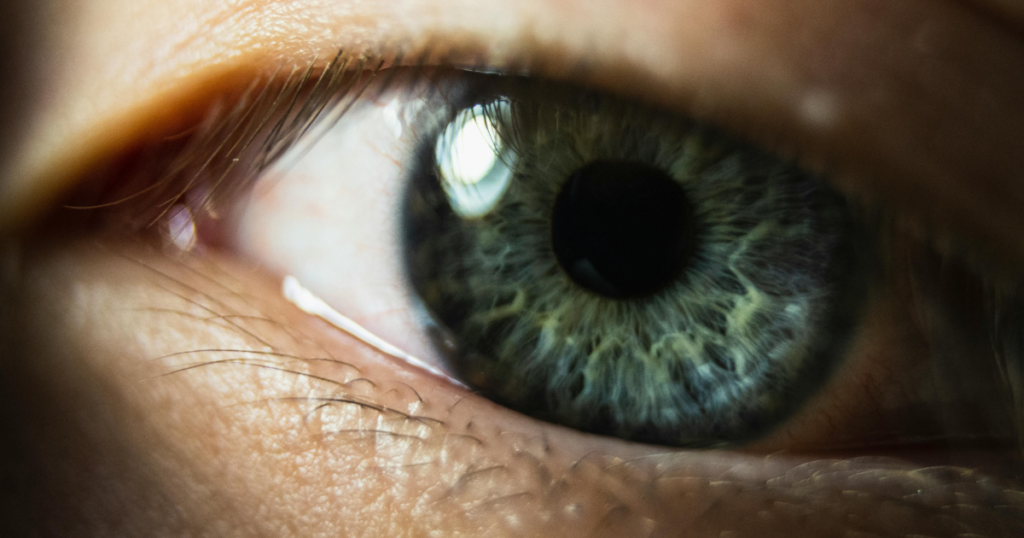
When the Fear of Being Watched Becomes Debilitating
The problem is critical when a person structures their entire day around avoiding eye contact. Even simple activities like shopping at a grocery store or attending school can feel impossible. At this point, scopophobia and fear of eye contact have become not only a minor anxiety problem but also a hindrance to a normal life.
Physical Symptoms of Eye-Related Anxiety Disorders
Ommetaphobic people are likely to experience intense bodily responses to visual stimuli. These reactions are not imagined. They are real responses created by the human nervous system.
| Symptom | What the person may feel | Common trigger |
| Rapid heartbeat | Chest pounding and shortness of breath | Direct eye contact |
| Muscle tension | Tight neck, jaw, and shoulders | Someone staring |
| Lightheadedness | Feeling faint or unsteady | Crowded places |
| Sweating | Cold or clammy hands | Being observed |
| Stomach discomfort | Nausea or cramping | Close visual interaction |
These reactions are common in people with visual phobias and ongoing eye anxiety.
How Ommetaphobic Responses Trigger Your Nervous System
As soon as the eyes are directed toward an ommetaphobic person, the brain perceives the situation as dangerous. This reaction happens automatically, before conscious thinking begins.
Research shared by the National Institute of Mental Health (NIMH) explains that the amygdala, the brain’s fear center, activates protective responses when it senses a potential threat. In ommetaphobia, visual cues mistakenly trigger this system.
The Fight-or-Flight Reaction to Eye Contact Fear
The body prepares to escape. Breathing becomes shallow, the muscles become tense, and the focus becomes limited. It is the same survival mechanism as in real danger, though in this case, the eye contact fear is the stimulus to activate the survival mechanism.
Proven Treatment Methods for Visual Phobia Recovery
Recovery from visual phobia is well supported by modern psychology. The best methods are related to modifying fear-based thinking patterns and retraining the nervous system to enable visual contact to be safely tolerated. Professional advice is highly encouraged when the symptoms disrupt work, education, or relationships.
Cognitive Behavioral Therapy Approaches for Eye Anxiety
Cognitive Behavioral Therapy assists individuals in challenging unrealistic threat-related beliefs associated with eye anxiety. Slow exposure, learning to relax, and practice help the brain develop responses to eye-related situations.
Practical Coping Strategies You Can Use Today
- Practice slow breathing before and during brief eye contact.
- Start with brief visual exposure, such as looking at photos or videos of faces.
- Gently increase eye contact during safe conversations.
- Replace negative thoughts with realistic safety statements.
- Use grounding techniques to reduce physical tension.
These strategies support daily management of ommetaphobia, but they work best when combined with professional care.
Getting Professional Support at California Mental Health
At California Mental Health, there is no need for you to deal with ommetaphobia by yourself. Our certified professionals are aware of the extent to which eye anxiety and eye contact fear can influence our everyday lives, our relationships, and our confidence levels. We provide kind evaluations, evidence-based treatment, tailored care arrangements, and long-term relief.
Do you have scopophobia, the fear of being watched, or a constant visual phobia? Our team will be happy to make you feel safe once again. Take the first step toward mental and emotional wellness today. Make a confidential appointment and start to recover with the help of a professional you can trust today.
FAQs
Can ommetaphobia develop suddenly, or does eye phobia emerge gradually over time?
Ommetaphobia normally builds up gradually following recurrent bad or stressful visual experiences. Nevertheless, intense eye phobia can also be caused by an emotional event that occurs suddenly.
How do I know if my eye contact fear is scopophobia rather than social anxiety?
Scopophobia is primarily the intense fear of being watched by people. Social anxiety disorder does not just confine itself to eye contact fear.
What triggers an ommetaphobic person’s fight-or-flight response during visual interaction?
Eye anxiety is usually caused by direct eye contact, staring, or close facial attention. These are the visual signs that trigger the fear system in an ommetaphobic individual.
Does eye anxiety disorder respond better to therapy or medication for long-term relief?
Visual phobia can be more effectively treated with therapy over the long term. Medication can be part of short-term symptom management but cannot correct the underlying fear pattern.
How quickly can cognitive behavioral therapy reduce symptoms of visual phobia and eye avoidance?
Most people feel better after a few weeks of regular treatment. Progress depends on the severity and regular practice for eye-anxiety recovery.