
...
Two women smile and talk at a table in a bright room, with the banner text: 'Welcome to California Mental Health – Solutions for California Residents'.

HELP AVAILABLE 24/7 – CALL NOW (408) 457-1453

PTSD Treatment in California

Still Living With Trauma? California Mental Health Treats PTSD

California Mental Health is a premier residential mental health facility serving clients across California. Process what happened with specialists who understand trauma.

Google logo with the text'80+ Reviews' and five gold stars indicating a 5-star rating.

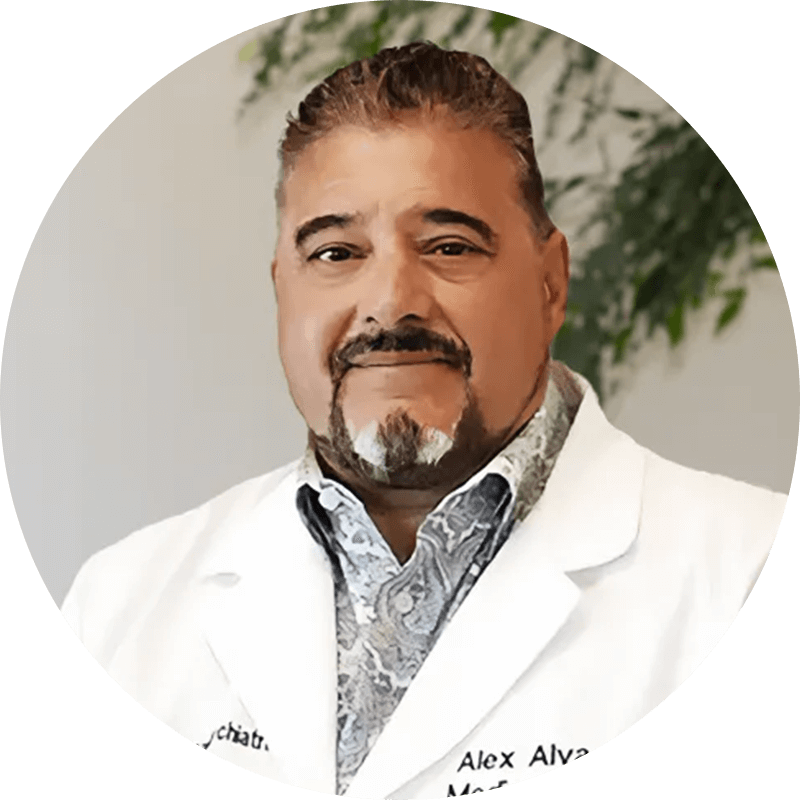
Medically Reviewed By:

Dr. Alejandro Alva LIC#A62396

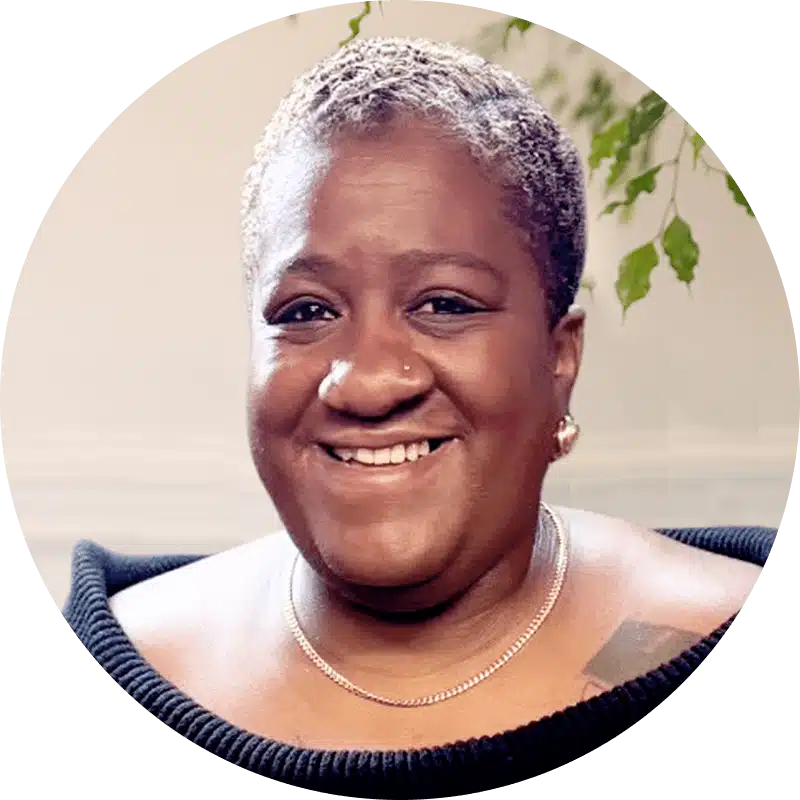
Stacia Ponce-Rodriguez, blog author portrait. Smiling woman with short gray hair, gold necklace, and nose piercing.

Clinically Reviewed By:

Stacia Ponce-Rodriguez

DHCS logo: a heart-shaped glyph in pink-to-purple beside the dark blue letters'DHCS', representing the Department of Health Care Services
Gold circular award medal with a diagonal stripe and the words'Quality Award' around the edge.
Verified by Psychology Today badge: circular icon with red check and the words'Verified by Psychology Today'
Recovery.com logo with five stars and a'Verified Center' badge.
Take the First Step Toward Feeling Better
BlueCross BlueShield
Cigna
Anthem
Carelon
GEHA
Aetna
Most PPO Insurance Accepted

Process Trauma Safely With PTSD Specialists

EMDR, CBT, and somatic therapies help you work through traumatic memories without becoming overwhelmed. You control the pace at every stage.

Posted on Google Google
Will L.
Google star 1Google star 2Google star 3Google star 4Google star 5Trustindex verifies that the original source of the review is Google.
Treatment at CMH was wonderful and was exactly what I needed. Everyone was so caring and amazing. I felt like I was in a safe and trusted environment, surrounded by people who wanted to help me. I came to them when I was at my lowest and left a stronger person with the therapy and tools I needed. If you really need help and are ready to focus on getting better, then you should reach out to them and find out more.
Posted on Google Google
Carolyn Watson (CECO Entertainment)
Google star 1Google star 2Google star 3Google star 4Google star 5Trustindex verifies that the original source of the review is Google.
My loved one spent 6 weeks in this program. This is the longest he has ever spent in a residential program. He experiences organic mental health issues and is a young adult. I was very concerned that the program was not dedicated to strictly age 18-25 because the programs for adults have been more on the older side (30+) and this is one of the reasons why he didn’t stay. However this program had a good array of clients from age to gender to race to experiences and I believe this really made a big difference. Also the care team was very focused on meeting my loved one where they stood. There is also family programming ongoing and this also had a very important impact on the recovery process. The resident was very nice and comfortable and a nice home away from home. We were able to visit on weekends and have good times just enjoying each other’s company. The restrictions were not extreme and the staff were all accommodating to all of our needs. The care program including therapist and the case manager were readily available to review status weekly. I was able to communicate with my loved one and the care team members by requesting family meetings. My loved one and I were the heads of the care team and this allowed us to input goals and aspirations regarding the recovery process. I continue to stay in touch with other family members who have loved ones in treatment centers around the country by way of a special weekly family care zoom meeting that allows us to learn more about dealing with struggling loved ones and to listen to and relate to others who are also going through this. It’s a very good program and I highly recommend it. My loved one is now in a PHP residential and will hopefully move on from there to more independent living thanks mostly to CAMHT program and the stepping stone they provided to a life well lived. Thank you to everyone at CAMHT and we miss you!
Posted on Google Google
Gina Borden
Google star 1Google star 2Google star 3Google star 4Google star 5Trustindex verifies that the original source of the review is Google.
The housemates I have had over my time here have been amazing and supportive. It’s clean quiet and homey. I got to bring my dog and Daniela one of the staff brought her treats almost every night she worked. Rosemary would walk her in the mornings on the occasion I would be in the shower and she wanted out or if I was in therapy Areli taught her how to do rounds and would babysit it her when I would go to an AA meeting. She is going to miss all the extra love as well as I will miss everyone staff and housemates. Elly has taught me so much about how to use coping skills for my anxiety. My favorite are name it to tame it. Walk forward the storm and opposite action. I feel have come along way towards finding my new normal thanks to all the staff at Marie Ct. California Mental Health is amazing
Posted on Google Google
Rex Baumgartner
Google star 1Google star 2Google star 3Google star 4Google star 5Trustindex verifies that the original source of the review is Google.
Our son was in the 45 day program in San Martin. When he first arrived, he was withdrawn and closed off to receiving help. Thanks to the supportive staff, by the time he was discharged he had become open to treatment and relationships with staff and peers. We highly recommend California Mental Health for individuals with mental health challenges.
Posted on Google Google
Austin Lombard
Google star 1Google star 2Google star 3Google star 4Google star 5Trustindex verifies that the original source of the review is Google.
Amazing place full of genuinely caring clinical and support staff. I didn’t want to leave but thems the breaks guess I gotta go pay taxes and stuff.
Posted on Google Google
Laura “lorikitty” Flores
Google star 1Google star 2Google star 3Google star 4Google star 5Trustindex verifies that the original source of the review is Google.
The team here is very personable and responsive. I appreciate their focus on documenting your diagnoses to have a 100%clear understanding of your mental health and what roadblocks are impacting your ability to experience a normal life.
Posted on Google Google
katie kanaga
Google star 1Google star 2Google star 3Google star 4Google star 5Trustindex verifies that the original source of the review is Google.
Therapist were great. Really enjoyed EMDR therapy. Max (overnight BHT) was one of my favorites and I enjoyed bothering him every morning when I got up early. And Ely!!!! (Case manager) My best friend if we were in another lifetime was fantastic
Posted on Google Google
Juniper Salas Stephens
Google star 1Google star 2Google star 3Google star 4Google star 5Trustindex verifies that the original source of the review is Google.
Had a really wonderful experience here, the staff are all amazing, and the program really helped me with my recovery. They do a lot of outings and fun activities, so you’re never just stuck in the house, and they encourage self care and taking time for yourself just as much as they encourage going to groups. Everything is always optional of course. Highly recommend this place, I know I won’t be going anywhere else if I ever need mental health help in the future

Meet Our Team

We utilize a variety of treatment modalities to teach our patients the coping skills they need to find stability and discover their self-awareness.
Portrait of a man with short dark hair and a trimmed beard, wearing a black collared shirt, outdoors with greenery in the background.

Joshua Fane

Program Director/Operations Manager

Portrait of a smiling woman with shoulder-length light brown hair, wearing a sleeveless black top, outdoors in a park.

Jeannie Anderson

Executive Director

Portrait of a smiling woman with long black hair, wearing a green floral dress, outdoors with a blurred background.

Erica Pace

Healthcare Supervisor LVN

PTSD Symptoms

PTSD symptoms can vary in intensity and often disrupt normal functioning, making early recognition essential for seeking timely help. Common indicators include:
Flashbacks or Intrusive Memories

Reliving the traumatic event through vivid flashbacks or distressing dreams, which can feel as real as the original experience. This can lead to intense emotional or physical reactions.

Avoidance Behaviors

Steering clear of people, places, or activities that remind one of the trauma, often resulting in social withdrawal or loss of interest in previously enjoyed hobbies.

Hypervigilance or Heightened Arousal

Constantly feeling on edge, with exaggerated startle responses, difficulty sleeping, or irritability that strains relationships and daily routines.

Emotional Numbness
Feeling detached from others, experiencing a lack of positive emotions, or struggling with guilt and shame related to the trauma.
Nightmares and Sleep Disturbances
Recurrent nightmares about the event, leading to insomnia or restless sleep that exacerbates fatigue and concentration issues.
Negative Mood Changes
Persistent feelings of fear, anger, or hopelessness, sometimes accompanied by self-destructive thoughts or behaviors.
Clinicians often group PTSD symptoms into four clusters, which can help you make sense of what you are experiencing:

Symptom Cluster

Common Examples

Everyday Effect

Intrusion

Flashbacks, nightmares, unwanted memories of the event

The past keeps breaking into the present

Avoidance

Steering clear of reminders, people, places, or conversations

Life gradually narrows in the name of feeling safe

Mood and Thinking

Guilt, detachment, loss of interest, persistent negative beliefs

Connection and hope become harder to reach

Arousal

Hypervigilance, exaggerated startle, irritability, poor sleep

The body stays braced for danger

How to Diagnose PTSD?

Diagnosing PTSD involves a comprehensive evaluation by a mental health professional, including a detailed history of the traumatic event, symptom assessment using DSM-5 criteria, and ruling out other conditions like depression, anxiety, or substance use disorders. Tools such as structured interviews, the Clinician-Administered PTSD Scale (CAPS-5), or self-report questionnaires like the PTSD Checklist (PCL-5) help identify patterns of re-experiencing, avoidance, and hyperarousal lasting more than a month. Family history, lifestyle factors, and co-occurring conditions are also considered to ensure a holistic understanding.

At California Mental Health, our experts provide 24/7 confidential support during this process, offering a compassionate and thorough approach to ensure an accurate diagnosis that guides effective treatment planning.

What Can Cause PTSD?

PTSD can stem from a variety of traumatic experiences, such as combat exposure, sexual or physical assault, natural disasters, serious accidents, or sudden loss, often exacerbated by factors like lack of social support or pre-existing mental health conditions. Biological factors, including genetic predispositions to stress responses or imbalances in neurotransmitters like serotonin and cortisol, contribute significantly, as do structural differences in brain regions like the amygdala and hippocampus. 

Environmental stressors, such as ongoing abuse, chronic stress, or living in high-risk settings like urban areas with frequent violence, can heighten vulnerability. Additionally, childhood trauma or repeated exposure to adversity may amplify risk, particularly if coping resources are limited. Understanding these causes is key to effective therapy for PTSD, allowing tailored interventions at trauma treatment centers in California to address root triggers.


PTSD Disorder Types

PTSD encompasses several variations, each with unique symptom patterns requiring specific approaches like programs for PTSD treatment.

Acute PTSD

Symptoms appear shortly after the trauma and last less than three months, often resolving with early intervention. It may involve intense fear or helplessness, and prompt counseling for PTSD can prevent progression to chronic forms.

Chronic PTSD

Persists for three months or longer, leading to ongoing disruptions in work and relationships. This type benefits from long-term options for PTSD treatment, including medication and therapy to manage persistent hyperarousal and avoidance.

Delayed-Onset PTSD

Symptoms emerge six months or more after the event, sometimes triggered by reminders or new stressors. It requires specialized PTSD therapy in California to unpack delayed reactions and build coping strategies.

Complex PTSD

Arises from prolonged or repeated trauma, such as childhood abuse, adding symptoms like emotional dysregulation and interpersonal difficulties. Treatment often involves trauma treatment centers in California for intensive, multifaceted care.

What Does PTSD Treatment Involve?

PTSD treatment typically combines evidence-based therapies, medication, and supportive strategies to process trauma and reduce symptoms. Cognitive behavioral therapy for PTSD helps reframe negative thought patterns, while EMDR therapy for PTSD uses guided eye movements to desensitize distressing memories. Medications like selective serotonin reuptake inhibitors (SSRIs) or anti-anxiety drugs may stabilize mood and reduce hyperarousal.

Group therapy fosters connection with others facing similar challenges, and holistic approaches, such as mindfulness, yoga, or nutritional counseling, enhance overall well-being. At California Mental Health, we emphasize a holistic approach with same-day admissions to start your recovery journey promptly, tailoring plans to your unique experiences and goals.

Because no two trauma histories are alike, we draw on several proven approaches and match them to you:

Eye Movement Desensitization and Reprocessing (EMDR)

EMDR is a frontline trauma therapy that works differently from talk alone: while you briefly bring a memory to mind, the clinician leads short sets of side-to-side stimulation that appear to drain its emotional charge. Triggers that once set off alarm tend to soften over a course of sessions.

Trauma-Informed Care

More an ethos than a single technique, trauma-informed care shapes every interaction around safety, choice, and trust, so treatment never repeats the powerlessness of the original event.

Cognitive Behavioral Therapy

Trauma-focused CBT helps you examine the beliefs a traumatic event can leave behind, such as guilt or a sense of constant danger, and gradually reshape them while building practical coping tools.

Process Group Therapy

Meeting others who have lived through trauma can loosen the isolation PTSD creates, offering steady peer support and a place to practice connection at your own pace. Healing after trauma is possible with the right support. Contact California Mental Health at Call (408) 457-1453 or visit our Contact us page for a free, confidential assessment to begin your journey toward recovery and renewed hope.

Dialectical Behavior Therapy

When trauma leaves you swinging between numbness and overwhelm, DBT hands you practical ways to steady yourself in the moment, from grounding exercises to managing relationships when stress runs high.

How Long Does PTSD Treatment Take?

The duration of PTSD treatment varies based on symptom severity, individual response, trauma complexity, and adherence to the treatment plan, typically ranging from a few months for milder cases to a year or more for chronic or complex PTSD. Initial stabilization through therapy and medication often shows progress within 8-12 weeks, with ongoing support to prevent relapse and address residual symptoms. Regular monitoring allows for adjustments to medications or therapy intensity, ensuring sustained progress. 

For some, maintenance therapy may be needed long-term to manage triggers effectively. Our pet-friendly environment at California Mental Health provides comfort during extended stays, creating a nurturing space for healing.

Levels of Care for PTSD Treatment

How intensive your care should be comes down to how much trauma symptoms are affecting your safety and your ability to function day to day. Most people at California Mental Health start on one of these two tracks:
IMMERSIVE, ROUND-THE-CLOCK CARE

When flashbacks, sleeplessness, or crisis make everyday life feel unsafe, residential care gives you a protected place to stabilize. You stay in a warm, home-like environment with clinical support on hand at any hour and trauma-focused therapy woven through the day.

  • Continuous support from a trauma-trained team
  • A predictable daily rhythm that helps the nervous system settle
  • Therapy, rest, and community under one roof
STRUCTURED CARE FROM HOME
When you are stable enough to remain at home but still need frequent, focused support, our virtual IOP delivers trauma-informed group and individual sessions over secure video to clients across the South Bay, Silicon Valley, and the rest of California.

Why Choose California Mental Health for PTSD Treatment?

Our skilled professionals specialize in trauma recovery, offering empathetic guidance to help you process experiences and rebuild resilience in a supportive setting.

With a track record of effective outcomes, we use evidence-based methods tailored to your needs, leading to lasting relief and improved quality of life.
We prioritize your security, ensuring all personal information and sessions remain private to foster a trusting environment for open healing.
Our non-judgmental space encourages vulnerability, with holistic wellness programs like mindfulness to promote physical and emotional recovery.

When to Seek Help for PTSD?

Seek help for PTSD when symptoms like flashbacks, avoidance, hypervigilance, or nightmares persist for over a month, significantly disrupt work, relationships, or daily activities, or lead to harmful behaviors such as substance use or suicidal thoughts. If trauma-related distress feels overwhelming, interferes with sleep, concentration, or emotional regulation, or if loved ones notice changes in behavior, professional intervention is critical. 

Early action through trauma-informed care can prevent symptom escalation and improve long-term outcomes. Recognizing even subtle signs, like increased irritability or social isolation, warrants reaching out to professionals for evaluation and support.

LOCATIONS

PTSD Treatment Near Me

If you’re searching for reliable PTSD treatment nearby, California Mental Health provides expert care at our convenient locations throughout the state. Our facilities offer comprehensive support for those dealing with trauma, ensuring accessible and effective recovery options close to home. Visit California Mental Health to explore how we can assist you in finding lasting peace.

How to Start PTSD Treatment?

Beginning PTSD treatment at California Mental Health starts with a confidential assessment to evaluate your experiences and create a customized plan. We offer flexible options, including virtual consultations for ease. Contact California Mental Health today to schedule a consultation and take the first step toward emotional balance and well-being.

Call (408) 457-1453  or visit our website to learn more and get the support you need.

If you are ready, here is what beginning care looks like, step by step:

01
Get in touch. One confidential call or message is enough to begin, with no pressure to share more than feels comfortable.
02

Confirm your coverage. We walk through your insurance and any out-of-pocket costs together, or you can begin on our Verify Insurance page.

03
Complete a trauma-informed assessment. A licensed clinician takes time to understand your history at your own pace, without rushing or pushing.
04
Begin your plan. We match you with the therapists, therapies, and setting best suited to your goals.

PTSD FAQs

What are the key symptoms of PTSD addressed at California Mental Health?

PTSD often presents with intense anxiety, flashbacks, and avoidance behaviors that disrupt daily life. At California Mental Health, we use targeted therapies to manage these, helping individuals regain stability and peace.

How is PTSD linked to anxiety disorders, and what integrated treatments do you offer?

PTSD shares overlapping symptoms with anxiety, such as hypervigilance and panic, often co-occurring and amplifying each other. Explore our Anxiety Treatment page to see how we integrate approaches like mindfulness and medication for comprehensive care.

What therapy options are available for PTSD at your clinic?

We provide a range of evidence-based therapies, including individual and group sessions focused on trauma processing. This includes specialized methods to build coping skills and foster recovery in a supportive setting.

Does California Mental Health accept insurance for PTSD treatment?

Yes, we accept most major insurance plans at California Mental Health, making it easier to access care without financial barriers. Use our simple online verification tool to check your coverage and understand any out-of-pocket costs.

How does trauma-informed care support PTSD recovery at California Mental Health?

Trauma-informed care emphasizes safety and empowerment, helping individuals process experiences without re-traumatization. Visit our Trauma-Informed Care page to learn how it integrates into our programs for holistic healing.

Whenever you feel ready to take the next step, we are here: Contact California Mental Health at (408) 457-1453 or visit our Contact Us page for a free, confidential assessment to begin your journey toward recovery and renewed hope.

Verify Your Insurance

Embark on Your Journey to Wellness

Connect with our compassionate team of experts to discover a treatment plan tailored specifically to your needs.
All calls are 100% free and confidential
California Mental Health logo. State of California with "California Mental Health" text circle.

What We Treat

Therapy Options

Levels of Care

Mental Health Approach