...
Two women smile and talk at a table in a bright room, with the banner text: 'Welcome to California Mental Health – Solutions for California Residents'.

HELP AVAILABLE 24/7 – CALL NOW (408) 457-1453

Dialectical Behavior Therapy in California

Emotions Feel Too Intense? DBT at California Mental Health Can Help

California Mental Health is a premier residential mental health facility serving clients across California. Learn concrete skills for managing overwhelming emotions.

Google logo with the text'80+ Reviews' and five gold stars indicating a 5-star rating.

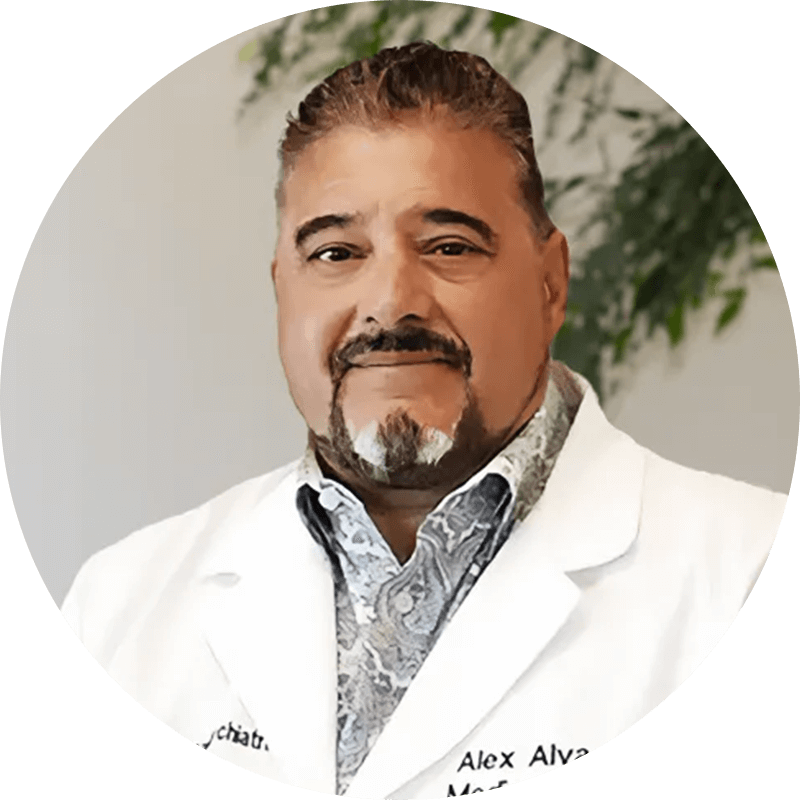
Medically Reviewed By:

Dr. Alejandro Alva LIC#A62396

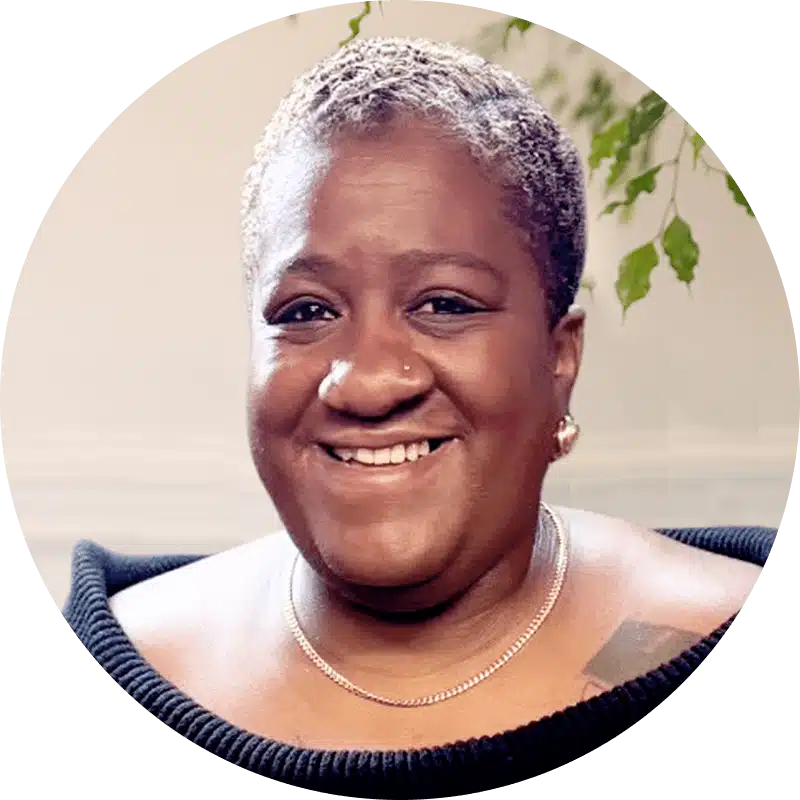
Stacia Ponce-Rodriguez, blog author portrait. Smiling woman with short gray hair, gold necklace, and nose piercing.

Clinically Reviewed By:

Stacia Ponce-Rodriguez

DHCS logo: a heart-shaped glyph in pink-to-purple beside the dark blue letters'DHCS', representing the Department of Health Care Services
Gold circular award medal with a diagonal stripe and the words'Quality Award' around the edge.
Verified by Psychology Today badge: circular icon with red check and the words'Verified by Psychology Today'
Recovery.com logo with five stars and a'Verified Center' badge.
Take the First Step Toward Feeling Better
BlueCross BlueShield
Cigna
Anthem
Carelon
GEHA
Aetna
Most PPO Insurance Accepted

Concrete Skills for Overwhelming Emotions

DBT covers distress tolerance, emotion regulation, mindfulness, and interpersonal effectiveness in a structured format. Our clinicians coach you through using each skill in real moments.

What Is Dialectical Behavior Therapy?

Dialectical Behavior Therapy is a structured form of talk therapy built for people whose emotions arrive fast, run hot, and take a long time to settle. The “dialectical” part is the core idea: two things that seem opposed can both be true. You can accept yourself exactly as you are right now and still work hard to change. Many people who arrive at DBT have been told one or the other for years. The therapy’s job is to hold both.

In practice, DBT is a skills curriculum as much as a conversation. Four modules, mindfulness, distress tolerance, emotion regulation, and interpersonal effectiveness, are taught in a group, tracked on a diary card between sessions, and brought into individual therapy to work on whatever came up that week. It was developed for borderline personality disorder and has since shown strong results for self-harm, chronic suicidal thinking, eating disorders, and substance use.

At California Mental Health, DBT skills group runs daily in residential care and continues by secure video in our Virtual Intensive Outpatient Program, with individual DBT sessions alongside. Because clinical staff are on site around the clock in residential care, a skill can be coached in the moment it is needed rather than discussed a week later.

Contact us for 24/7 confidential support and find out whether DBT is the right fit for what you are carrying.

If this is an emergency

DBT was built in part to reduce self-harm and suicidal crises, but it works over weeks, not minutes. If you are in danger right now or thinking about ending your life, dial or text 988. The Suicide and Crisis Lifeline picks up 24 hours a day, and 911 is the number for immediate physical danger.

Posted on Google Google
Will L.
Google star 1Google star 2Google star 3Google star 4Google star 5Trustindex verifies that the original source of the review is Google.
Treatment at CMH was wonderful and was exactly what I needed. Everyone was so caring and amazing. I felt like I was in a safe and trusted environment, surrounded by people who wanted to help me. I came to them when I was at my lowest and left a stronger person with the therapy and tools I needed. If you really need help and are ready to focus on getting better, then you should reach out to them and find out more.
Posted on Google Google
Carolyn Watson (CECO Entertainment)
Google star 1Google star 2Google star 3Google star 4Google star 5Trustindex verifies that the original source of the review is Google.
My loved one spent 6 weeks in this program. This is the longest he has ever spent in a residential program. He experiences organic mental health issues and is a young adult. I was very concerned that the program was not dedicated to strictly age 18-25 because the programs for adults have been more on the older side (30+) and this is one of the reasons why he didn’t stay. However this program had a good array of clients from age to gender to race to experiences and I believe this really made a big difference. Also the care team was very focused on meeting my loved one where they stood. There is also family programming ongoing and this also had a very important impact on the recovery process. The resident was very nice and comfortable and a nice home away from home. We were able to visit on weekends and have good times just enjoying each other’s company. The restrictions were not extreme and the staff were all accommodating to all of our needs. The care program including therapist and the case manager were readily available to review status weekly. I was able to communicate with my loved one and the care team members by requesting family meetings. My loved one and I were the heads of the care team and this allowed us to input goals and aspirations regarding the recovery process. I continue to stay in touch with other family members who have loved ones in treatment centers around the country by way of a special weekly family care zoom meeting that allows us to learn more about dealing with struggling loved ones and to listen to and relate to others who are also going through this. It’s a very good program and I highly recommend it. My loved one is now in a PHP residential and will hopefully move on from there to more independent living thanks mostly to CAMHT program and the stepping stone they provided to a life well lived. Thank you to everyone at CAMHT and we miss you!
Posted on Google Google
Gina Borden
Google star 1Google star 2Google star 3Google star 4Google star 5Trustindex verifies that the original source of the review is Google.
The housemates I have had over my time here have been amazing and supportive. It’s clean quiet and homey. I got to bring my dog and Daniela one of the staff brought her treats almost every night she worked. Rosemary would walk her in the mornings on the occasion I would be in the shower and she wanted out or if I was in therapy Areli taught her how to do rounds and would babysit it her when I would go to an AA meeting. She is going to miss all the extra love as well as I will miss everyone staff and housemates. Elly has taught me so much about how to use coping skills for my anxiety. My favorite are name it to tame it. Walk forward the storm and opposite action. I feel have come along way towards finding my new normal thanks to all the staff at Marie Ct. California Mental Health is amazing
Posted on Google Google
Rex Baumgartner
Google star 1Google star 2Google star 3Google star 4Google star 5Trustindex verifies that the original source of the review is Google.
Our son was in the 45 day program in San Martin. When he first arrived, he was withdrawn and closed off to receiving help. Thanks to the supportive staff, by the time he was discharged he had become open to treatment and relationships with staff and peers. We highly recommend California Mental Health for individuals with mental health challenges.
Posted on Google Google
Austin Lombard
Google star 1Google star 2Google star 3Google star 4Google star 5Trustindex verifies that the original source of the review is Google.
Amazing place full of genuinely caring clinical and support staff. I didn’t want to leave but thems the breaks guess I gotta go pay taxes and stuff.
Posted on Google Google
Laura “lorikitty” Flores
Google star 1Google star 2Google star 3Google star 4Google star 5Trustindex verifies that the original source of the review is Google.
The team here is very personable and responsive. I appreciate their focus on documenting your diagnoses to have a 100%clear understanding of your mental health and what roadblocks are impacting your ability to experience a normal life.
Posted on Google Google
katie kanaga
Google star 1Google star 2Google star 3Google star 4Google star 5Trustindex verifies that the original source of the review is Google.
Therapist were great. Really enjoyed EMDR therapy. Max (overnight BHT) was one of my favorites and I enjoyed bothering him every morning when I got up early. And Ely!!!! (Case manager) My best friend if we were in another lifetime was fantastic
Posted on Google Google
Juniper Salas Stephens
Google star 1Google star 2Google star 3Google star 4Google star 5Trustindex verifies that the original source of the review is Google.
Had a really wonderful experience here, the staff are all amazing, and the program really helped me with my recovery. They do a lot of outings and fun activities, so you’re never just stuck in the house, and they encourage self care and taking time for yourself just as much as they encourage going to groups. Everything is always optional of course. Highly recommend this place, I know I won’t be going anywhere else if I ever need mental health help in the future

Meet Our Team

We utilize a variety of treatment modalities to teach our patients the coping skills they need to find stability and discover their self-awareness.
Portrait of a man with short dark hair and a trimmed beard, wearing a black collared shirt, outdoors with greenery in the background.

Joshua Fane

Program Director/Operations Manager

Portrait of a smiling woman with shoulder-length light brown hair, wearing a sleeveless black top, outdoors in a park.

Jeannie Anderson

Executive Director

Portrait of a smiling woman with long black hair, wearing a green floral dress, outdoors with a blurred background.

Erica Pace

Healthcare Supervisor LVN

Importance of Dialectical Behavioral Therapy

Dialectical Behavioral Therapy (DBT) is a highly effective and evidence-based approach essential to mental health and well-being. Initially designed for borderline personality disorder, DBT has evolved to be applied across a broad spectrum of mental health conditions and challenges. Here are vital reasons highlighting the significance of Dialectical Behavioral Therapy:

Suicide Prevention

DBT is highly effective in reducing suicidal behaviors and self-harming actions, offering a life-saving intervention for individuals at risk.

Distress Tolerance

DBT instructs individuals on how to endure distressing situations without resorting to harmful coping mechanisms, such as self-harm or substance abuse.

Relapse Prevention

DBT is effective in preventing relapse in conditions such as substance abuse, eating disorders, and depression, promoting long-term recovery.

Life Skills

DBT equips individuals with practical life skills, such as budgeting, time management, and problem-solving, essential for overall well-being.

Emotional Resilience

DBT fosters emotional resilience, enabling individuals to better cope with life’s challenges and adversities.

Interpersonal Effectiveness

DBT provides individuals with valuable skills for enhancing interpersonal relationships, including assertiveness, conflict resolution, and boundary-setting.

Evidence-Based Approaches

DBT employs a range of evidence-based techniques and strategies, ensuring that individuals receive adequate treatment for their mental health concerns.

Self-Acceptance

DBT promotes self-acceptance and self-compassion, which are particularly important for individuals struggling with self-esteem and self-worth.

Reduced Hospitalization

DBT has been shown to reduce hospitalization rates and improve individual’s ability to manage their conditions outside clinical settings.

Enhanced Coping Strategies

DBT teaches adaptive coping strategies that can be applied to daily life, helping individuals manage stress, anxiety, and other emotional challenges.

Comprehensive Mental Health Services

Breaking the Stigma and Finding Support

Our Approach to DBT

Skills-Based

DBT is a skills-based therapy that teaches individuals practical strategies to manage intense emotions, improve interpersonal relationships, and enhance overall well-being.

Balancing Acceptance and Change

DBT emphasizes balancing accepting yourself and your current circumstances while working towards change and personal growth.

Individual and Group Therapy

DBT typically includes both individual therapy and group skills training. You’ll work closely with a therapist in individual therapy to address your specific challenges and goals. In group skills training, you’ll learn and practice DBT skills with others facing similar issues.

Emotion Regulation

DBT’s Emotion Regulation equips individuals to manage intense emotions by identifying, labeling, and enhancing positive experiences. It develops strategies to reduce vulnerability to negativity, fostering emotional balance and resilience in life’s challenges.

Core Skills Taught in DBT

Mindfulness

Mindfulness skills facilitate increased awareness of your thoughts, emotions, and behaviors in the present 

moment without judgment. They encourage self-acceptance and support emotional regulation.

read more read less

Distress Tolerance

Distress tolerance skills teach you how to improve tolerance and cope with distressing 

emotions and situations without resorting to harmful behaviors.

read more read less

Emotion Regulation

Emotion regulation skills help you identify, understand, and manage intense emotions 

more effectively.

read more read less

Interpersonal Effectiveness

Interpersonal effectiveness skills center on enhancing communication and building relationships, 

aiding in navigating challenging interactions, and assertively expressing one’s needs.

read more read less

Here is how the four modules map onto ordinary hard moments, and what you would actually do in each one:

What’s Happening

Skill Module

What You Practice

A text sets off anger far bigger than the situation

Emotion Regulation

Check the facts, name the emotion, and act opposite to the urge

A 2 a.m. spiral with an urge to do something you will regret

Distress Tolerance

Paced breathing, a pre-made distraction list, and a plan to get through the next twenty minutes without acting

Replaying a conversation and feeling worse each time

Mindfulness

Notice the thought, label it as a thought, and bring attention back to what is in front of you

Needing to say no without blowing up the relationship

Interpersonal Effectiveness

Describe the situation, express how you feel, state the ask plainly, and hold the line calmly

DBT does not stand alone at California Mental Health. Two related entries on our Therapy Options page shape how it is delivered:

Cognitive Behavioral Therapy (CBT)

DBT grew out of CBT and still uses its basic machinery: tracking thoughts, testing them, and changing behavior on purpose.

Where plain CBT asks you to dispute a thought, DBT first asks whether you are regulated enough to try. Many clients work in both.

read more read less

Process Group Therapy

DBT skills group is a classroom; process group is where the skills get stress-tested in real relationships.

 Hearing a peer describe the same urge you had last night, and watching them use a skill you learned on Tuesday, does something a worksheet cannot.

Intense emotions are not a character flaw. They are a skills gap, and skills can be taught. Contact California Mental Health at (408) 457-1453 or visit our Contact Us page for a free, confidential assessment to begin your journey toward recovery and renewed hope.

read more read less

Mental Health Made Easy.

Get started today. No doctor's approval needed!

Areas of Focus for DBT

Borderline Personality Disorder (BPD)

DBT was initially developed to treat BPD and remains one of the most effective treatments for this condition.

Eating Disorders

DBT skills can be valuable for individuals with eating disorders to address emotional eating and body image concerns.

Mood Disorders

DBT can be beneficial for individuals dealing with mood disorders like depression and bipolar disorder, as it provides skills to navigate emotional fluctuations effectively.

Substance Use Disorders

DBT can be integrated into substance abuse treatment to help individuals manage cravings, cope with triggers, and build a foundation for recovery.

Why Choose California Mental Health for DBT

Our therapists are trained in DBT and have experience helping individuals develop essential life skills and improve their emotional well-being.
We tailor DBT to your specific needs and goals, ensuring that the therapy is relevant and effective for your unique situation.
DBT is an evidence-based therapy with a strong track record of effectiveness for various mental health concerns.
We prioritize your privacy and maintain strict confidentiality throughout the therapy process.
Our center provides a compassionate and understanding space where you can learn and practice DBT skills.

Levels of Care for Dialectical Behavior Therapy

Full DBT needs repetition: group to learn a skill, individual sessions to apply it, and real moments to use it. Both of our programs provide that cycle. See What We Treat for the conditions DBT addresses and the Levels of Care overview for how clients move between settings.

DBT INSIDE RESIDENTIAL CARE

Residential care is where DBT tends to take hold fastest, because the moments that trigger old patterns happen with staff nearby. Skills group runs daily, you meet your individual therapist twice a week, and a licensed nurse is on site 24 hours a day. For clients arriving from a hospital stay, we stabilize medications and sleep first and begin skills work as soon as you can take it in.

  • Daily DBT skills group that rotates through all four modules
  • Twice-weekly individual DBT with diary-card review
  • Staff coaching in the moment, day or night
DBT FROM HOME

Our virtual program keeps the DBT structure intact by secure video: skills group several times a week, weekly individual sessions, and a diary card you complete between meetings. It suits adults with a stable, safe home base, whether stepping down from residential care or starting here.

Skills learned where life actually happens. Contact California Mental Health at (408) 457-1453 or visit our Contact Us page for a free, confidential assessment to begin your journey toward recovery and renewed hope.

How to Start Dialectical Behavior Therapy

Four steps take you from first contact to your first skills group:

Call or message us

Admissions is staffed 24/7 and the conversation is confidential; you can ask questions without committing to anything.


Confirm coverage

We check your benefits for you, or you can submit the quick form on Verify Insurance and we follow up with what your plan covers.


Complete a clinical assessment

A clinician looks at emotional intensity, safety, your history with other therapies, and what has and has not helped, then recommends a level of care.


Start skills group

 In residential care that is usually within a day of admission; in Virtual IOP, at the next scheduled group.

Take the First Step

Towards Building Skills and Well-Being

If you’re interested in DBT or have questions about how it can benefit you, contact us today to schedule an initial consultation. Together with your therapist, you can work towards building essential skills for emotional regulation, distress tolerance, interpersonal effectiveness, and mindfulness at California Mental Health.

LOCATIONS

Dialectical Behavioral Therapy Near Me

If you have been searching for dialectical behavior therapy near you, California Mental Health runs full DBT programming at two licensed homes in San Martin, in the southern part of Santa Clara County, and by secure video for adults anywhere in California. Both homes are a short drive from Morgan Hill, Gilroy, and San Jose, and you can see them on our Tour Our Facility page:

Dialectical Behavior Therapy FAQs

What does DBT treat?

DBT was developed for borderline personality disorder and is now a first-line treatment for self-harm, chronic suicidal thinking, and emotion dysregulation of any origin. It is also used for eating disorders, substance use, PTSD, and bipolar disorder when mood swings drive impulsive behavior. See What We Treat for the full list of conditions we address.

What is the difference between DBT and CBT?

CBT focuses on changing distorted thoughts and unhelpful behaviors. DBT keeps that but adds acceptance, mindfulness, and distress tolerance skills for people whose emotions are too intense for standard thought-challenging to reach. If you have tried CBT and felt it did not stick, DBT is often the next step.

How long does DBT take?

A full outpatient DBT program typically runs six months to a year. In residential care, clients cover the four skill modules in a condensed cycle during their stay and keep practicing afterward in Virtual IOP or with an outpatient therapist. Length depends on how quickly the skills take hold and on the conditions being treated.

Does California Mental Health accept insurance for DBT?

Yes. We accept most PPO plans, including Cigna, Aetna, Anthem, Blue Cross Blue Shield, Carelon, and GEHA, among others. Use Verify Insurance to check your coverage before you call.

Can I do DBT online?

Yes. Our Virtual Intensive Outpatient Program delivers DBT skills group and individual sessions by secure video to adults across California. Residential clients attend in person at our San Martin homes.

Is DBT available at both levels of care?

Yes. Residential Treatment includes daily DBT skills group and twice-weekly individual DBT, with staff coaching between sessions. The Virtual Intensive Outpatient Program continues the same curriculum by video with weekly diary-card review. Your clinician recommends the level that matches your current safety and stability.

You do not have to choose between accepting yourself and changing. Contact California Mental Health at (408) 457-1453 or visit our Contact Us page for a free, confidential assessment to begin your journey toward recovery and renewed hope.

Verify Your Insurance

Embark on Your Journey to Wellness

Connect with our compassionate team of experts to discover a treatment plan tailored specifically to your needs.
All calls are 100% free and confidential
California Mental Health logo. State of California with "California Mental Health" text circle.

What We Treat

Therapy Options

Levels of Care

Mental Health Approach