






The Sociopath Stare: How to Recognize Predatory Eye Contact in Everyday Encounters
Have you ever felt uncomfortable when a person is staring at you, but never understood the reason? That nagging feeling could not be accidental. Humans are programmed to read between the lines of social interaction, and eye contact is one of the most effective messages that we interpret, but without much conscious thought.
The sociopath stare is a concept that has seen attention due to the fact that it is a form of eye contact that seems intense, calculated, and unemotional. However, not all intense gazes indicate a threat; some of the patterns can indicate more substantial behavioral characteristics like the absence of feelings, the lack of empathy, and even manipulative tendencies.
Getting these signals does not imply premature conclusions or categorizing individuals as unfair. Rather, it makes you more conscious of the dynamics of interpersonal relationships, particularly when something seems wrong. This article dissects what the sociopath stare is, the science behind it, and how to effectively respond in normal situations.
The Sociopath Stare: Recognizing Predatory Eye Contact Patterns
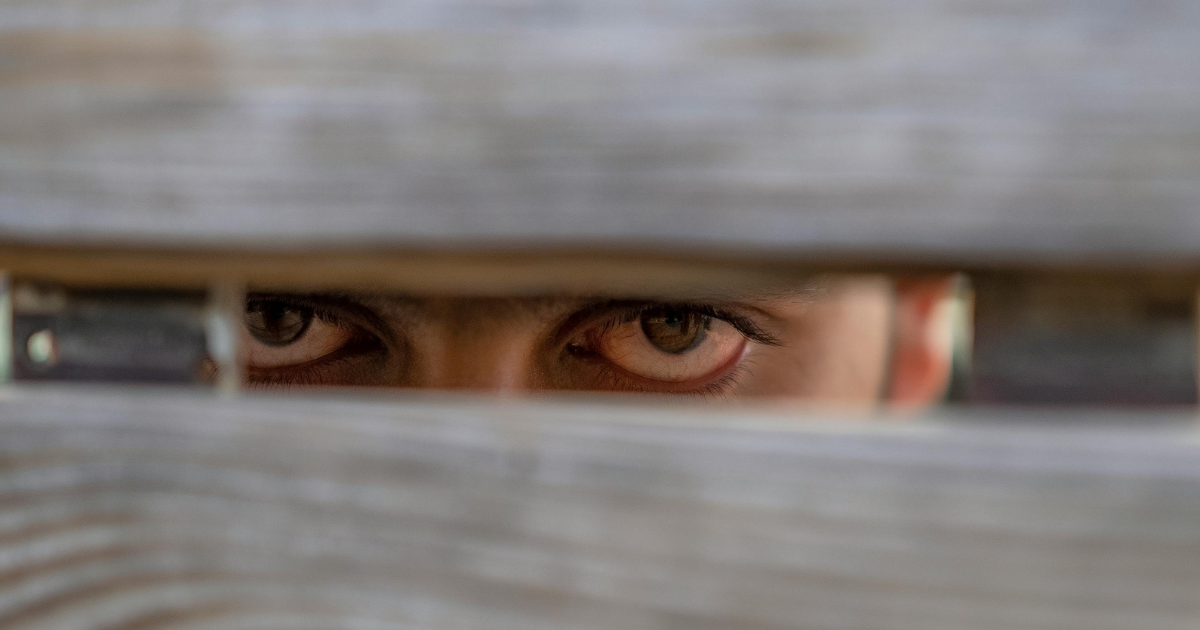
Eye contact is a key aspect of human communication. It expresses care, concern, and emotionality. But once the eye contact is too intense or cold, it can indicate another thing altogether. The predatory gaze can be one-sided, such as when you are observed but not interacted with.
The sociopath stare can be uncomfortable and artificial in contrast to the natural flow of eye contact in normal interaction. It may become uncomfortable as it does not have the micro-expressions, such as softening of the eyes or slight smiles, that are normally used in real human interaction. This kind of gaze, in most instances, is employed as an instrument of dominance or control, instead of communication.
The Science Behind Cold Eyes and Antisocial Behavior
Psychologically, eye behavior is associated with processing emotions. Research on antisocial personality traits suggests that individuals with elevated psychopathy markers respond to emotional indicators in a different manner. This lack of responsiveness to emotions may lead to what many would call cold eyes.
Neuroscientific research indicates that this may be caused by reduced activity in brain regions that deal with empathy and emotional control. As an illustration, such resources as the National Institute of Mental Health (NIMH) describe the impact of the lack of emotional processing on behavior and relationships. This absence of internal emotional response can render eye contact mechanical or too controlled instead of spontaneous.
Psychopathy Traits That Manifest Through Facial Expression
Facial expressions are hardly accidental. They mirror inner emotional states and social intents. People with high levels of psychopathy can be less expressive with respect to their emotional variations. They might not have a complete repertoire of reactions on their faces, but stay neutral or restrained even in emotionally charged circumstances.
This does not necessarily imply that a person is dangerous, but in combination with other behaviors such as manipulation tactics or narcissistic behavior, it may indicate that there is more interpersonal difficulty.
The eyes, especially, might be out of sync with the rest of the face–a disconnect that is disturbing. An illustration of this is a smile that is not extended to the eyes, which can be insincere.
Emotional Detachment and the Predatory Gaze
Emotional withdrawal tends to be manifested in terms of subtlety, particularly in the eye movements. During normal communication, individuals look away periodically, blink regularly, and shift their gaze in response to emotional cues.
Nonetheless, a person who shows a lack of empathy can either stare long without blinking or he or she can be unable to recognize emotional changes in the discussion.
This gaze may be invasive since it is not reciprocal. Rather than engaging with each other, it might seem as though the individual is learning or examining you. This is consistent with the trends among those not emotionally attuned- they can observe emotions without necessarily feeling them. This emotional gap often becomes a tool – not just a trait.

Manipulation Tactics: Using the Eyes as a Tool for Control
Eye contact to control or dominate is one of the more familiar signs of narcissistic behavior. Any prolonged stare can be uncomfortable and pressuring, and it can change the balance of power in a relationship.
This is a deliberate action in many cases. Maintaining eye contact, the person might be trying to intimidate, assert authority, or push limits. With time, it may make the other person feel self-conscious or off-balance, and it can be utilized to make decisions or react.
Creating False Connection Through Calculated Eye Contact
Interestingly, the same gaze could be employed to create a simulated connection. In other instances, people who are good at manipulation use calculated eye contact to give the impression of intimacy. They can reflect your patterns of gaze, or just appear to be interested enough to make eye contact, but still lack the presence of true emotion.
This two-fold application of eye contact, which is at once fear-provoking and alluring, is confusing. That is one of the reasons why it is necessary to consider the sociopath stare and pay attention to the eyes only, but also to the entire interaction.
Antisocial Personality Disorder and Abnormal Visual Behavior
Abnormal eye movements develop in individuals who are antisocial, including blinking, staring, or random eye contact. The actions are not the final diagnostic factors, but they can contribute to the general impression of emotional detachment or unpredictability.
Below is a comparison of typical vs. potentially concerning eye contact patterns:
| Behavior Type | Typical Eye Contact | Potentially Concerning Patterns |
| Duration | Balanced, shifts naturally | Prolonged, fixed staring |
| Emotional Alignment | Matches facial expressions | Mismatch between eyes and facial cues |
| Blinking | Regular and natural | Reduced or unusually infrequent blinking |
| Responsiveness | Adjusts based on conversation | Unchanging, regardless of emotional tone |
| Intent Perception | Feels engaging and comfortable | Feels invasive or unsettling |
This table emphasizes the fact that context is important. One action does not determine intent, although trends with time can yield significant information.
Distinguishing Between Intensity and Predatory Intent
Not every intense eye contact is bad. The use of gaze can also be affected by confidence, cultural norms, and personality differences. The main difference, though, is the feel and functionality in the interaction.
A sure look is usually reciprocal and admiring. It permits eye contact interruptions and is in line with conversation flow. Conversely, a predatory gaze can be unilateral and tenacious, lacking any connection with emotional signals.
It can cause the feeling of pressure or uneasiness that will stay even after the interaction. The awareness of this difference will allow you to avoid overgeneralization, but at the same time respect your intuitions.
Protecting Yourself: Practical Responses to Unsettling Eye Contact
In case you are in a position where one person stares at you in a way that makes you uncomfortable, the following are some practical measures that you can use:
- Trust Your Instincts. Suffering is usually the manner in which your mind is alerting you to something worth listening to.
- Break Eye Contact Naturally. Look away, change the topic, or shift your focus.
- Set Boundaries. In case of the interaction, establish physical or verbal distance.
- Stay Grounded. To decrease anxiety, concentrate on breathing or the environment.
- Exit If Necessary. If the situation feels unsafe, leave calmly and immediately.
These plans can assist you in being in control without blowing the situation. The American Psychological Association can also provide you with reliable information that will help you gain a deeper insight into behavioral health.
Building Awareness With California Mental Health Resources
Learning to figure out behaviors such as the sociopath stare has nothing to do with judging other people, but everything to do with empowering yourself through awareness. In case you have encountered a situation that made you feel confused, manipulated, or emotionally exhausted, a mental health specialist can help.
California Mental Health provides counseling, education, and treatment services to people who experience difficult interpersonal relationships. Regardless of the impact of narcissistic behavior, emotional detachment, or other relationship issues, professional advice can help you understand and find coping mechanisms.
FAQs
-
Can you spot a sociopath stare before they manipulate you?
Not necessarily in the moment, but by being aware of patterns such as eye contact that is not immediately broken, accompanied by emotional disconnection, you can detect possible concerns early on. With time, you can become more aware of regular behavioral patterns, but not individual instances, which will then help you be better at identifying manipulation.
-
How does the predatory gaze differ from normal, intense eye contact?
The key difference is reciprocity. A confident gaze invites connection and adjusts to your reactions; a predatory one studies you without responding to emotional cues. Go with your gut when the conversation is awkward or lopsided. It is time to step away.
-
Why do people with antisocial personality disorder avoid blinking during conversations?
A decreased blinking can be associated with an increased concentration or variations in emotional processing, which is common in persons with antisocial personality characteristics. Nevertheless, it is not the only behavior that can be diagnosed, and it should be taken into consideration with other characteristics.
-
What physical signs reveal emotional detachment in someone’s facial expressions?
Symptoms can include reduced facial expression, distorted expressions, and cold eyes, which are not in line with the tone of communication. These signs become more telling when observed consistently across different settings.
-
How can narcissistic behavior through eye contact affect your mental health?
Consecutive experiences of controlling or dominating eye contact may escalate anxiety, self-distrust, and emotional fatigue, particularly when linked with more comprehensive manipulation schemes. Exposing yourself to emotional depletion can be avoided by setting boundaries and limiting exposure.