






Nootropics for ADHD: Which Supplements Actually Improve Focus and Attention
Here is something most people with ADHD already know – trying to focus when your brain refuses is exhausting. You sit down to work. Your mind drifts. You check your phone. Twenty minutes pass, and you have done nothing. It is not laziness; it is just how an ADHD brain runs sometimes.
Prescription meds are not the only option anymore. A growing number of people have started exploring nootropics for ADHD – supplements aimed at sharpening focus and keeping the brain steady throughout the day. Some work, and some do not. This post breaks down what actually holds up.
What Are Nootropics and How Do They Support ADHD Management
Nootropics are supplements or compounds people take to sharpen brain function. Some are herbs, some are vitamins, and a few are synthetic. None of them is a miracle worker. What they can do – when chosen carefully – is help fill in nutritional gaps, smooth out stress responses, and give the brain a slightly better shot at staying on task. For ADHD management, that is often enough to make a real difference in someone’s day.
The Science Behind Cognitive Enhancement for Attention Disorders
ADHD brains tend to underproduce dopamine – or struggle to use it well. That is not a character flaw; it is just brain chemistry. Cognitive enhancement through supplements tries to nudge that chemistry in a better direction.
Studies indexed on PubMed show that several natural compounds genuinely support attention regulation, especially when nutritional deficiencies are involved. It is not a complete fix, but for many people it takes the edge off.
Top Supplements for Improving Focus and Attention Span
Walk into any health store, and you will find dozens of products claiming to fix your focus. Most do not survive scrutiny. A few actually hold up when you look at the research. For people who want real focus supplements – not just overpriced caffeine pills – these two are worth knowing about. Both have been studied specifically for attention span support.
L-Theanine and Caffeine: The Classic Pairing for Mental Clarity
L-theanine comes from tea leaves. By itself, it makes you feel calm and relaxed – not sleepy, just quiet. Add caffeine to it, and something clicks. The sharpness from caffeine stays, but the anxious edge disappears. The result is a clean, grounded kind of mental clarity. There is no crash and no racing heart. For ADHD, this combination is one of the gentlest and most reliable places to start.
Rhodiola Rosea and Its Role in Executive Function
Rhodiola is an adaptogen — it helps the body handle stress more efficiently. For ADHD, the real value is in what it does for executive function – things like starting tasks, switching between them, and not losing your mind when plans change. It does not sedate you. It just makes the brain a little more resilient under pressure.
Dopamine Support Through Natural Brain Function Boosters
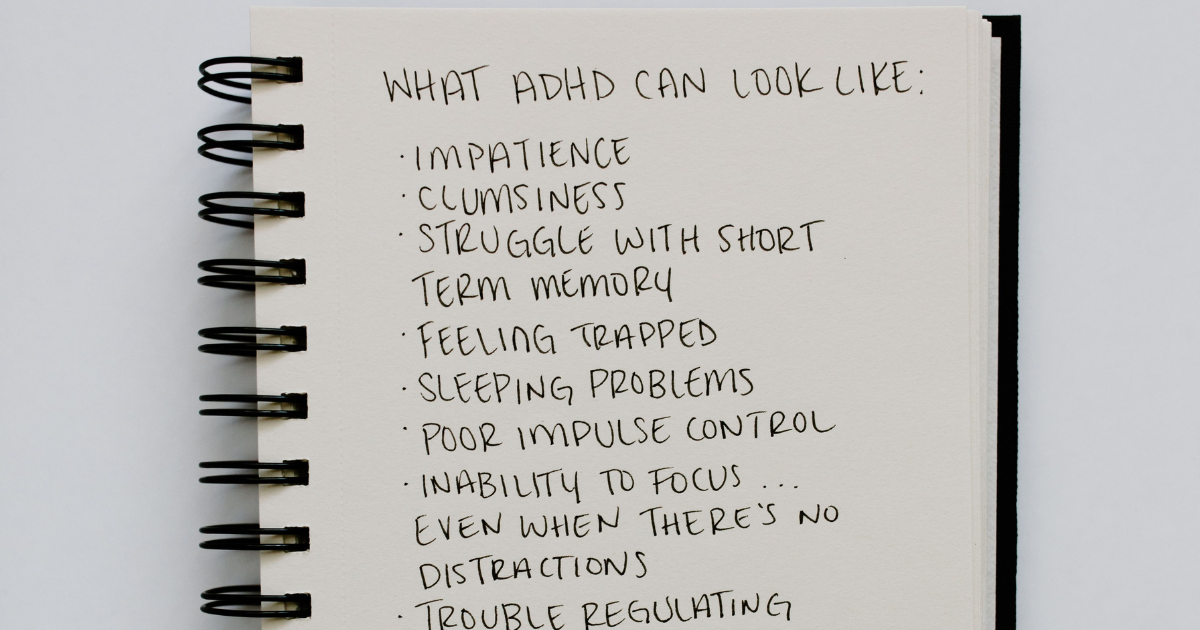
Low dopamine is behind most of what makes ADHD genuinely difficult. The inability to start tasks. The boredom that hits like a wall. The way you can spend four hours doing nothing useful, yet somehow cannot sit still. Natural dopamine support through amino acids and targeted nutrients addresses this slowly and steadily.
How Dopamine Affects Concentration and Motivation
Dopamine tells the brain something is worth paying attention to. When dopamine is low, almost nothing seems worth the effort. That is why games and social media grab ADHD attention so easily – they are engineered to spike dopamine constantly. Routine work tasks are not.
The CDC’s ADHD page covers this neuroscience clearly. Supplements like L-tyrosine give the brain building blocks to produce more dopamine, which, over time, improves concentration in a more natural rhythm.
Magnesium and B-Vitamins: Essential Nutrients for Brain Health
Before anyone spends money on exotic supplements, check these. Deficiencies in these basic nutrients quietly wreck focus and mood – and most people with ADHD are running low on at least one of them.
- Magnesium. Settles the nervous system and reduces physical restlessness.
- Vitamin B6. Without it, the body cannot properly produce dopamine or serotonin. Both matter enormously for ADHD.
- Vitamin B12. Brain fog, low energy, poor nerve function – these all get worse when B12 is low. Very fixable.
- Folate (B9). Supports neurotransmitter metabolism. Quietly important, rarely talked about in ADHD circles.
Omega-3 Fatty Acids and Phosphatidylserine for Sustained Attention
Of everything in the nootropic world, omega-3s and phosphatidylserine have the strongest track record for ADHD. They both support how brain cells are built and how well they talk to each other. Better cell communication means better attention span. That connection is direct.
Protecting Neural Pathways and Enhancing Cognitive Performance
Omega-3 fatty acids keep brain cell membranes from getting stiff and inflamed – two things that slow processing speed. Phosphatidylserine wraps around the outside of neurons and makes signal transfer faster and cleaner. Both take weeks to build up in the body. But when they do, the effect on brain function is measurable and lasting.
| Supplement | What It Does | Good For |
| Omega-3 (EPA/DHA) | Reduces brain inflammation; improves neuron signaling | Long-term focus and emotional steadiness |
| Phosphatidylserine | Builds stronger neuron walls; speeds up memory recall | Memory, attention, mental stamina |
Combining Supplements Safely: What Works Together for Focus
More is not better here. Stacking five supplements at once is a bad idea – you will not know what is working, and you might feel worse. Start with one thing. Give it three to four weeks. Be honest about whether it helps.
Then add something else if needed. L-theanine plus caffeine is a safe pair. Omega-3s and phosphatidylserine work well together, too. If you take prescription ADHD medication, talk to your doctor before adding anything new. That part is not optional.
Getting Professional Guidance on Nootropic Use at California Mental Health
Look, sorting through nootropics for ADHD alone is genuinely confusing. There is too much noise out there, too many products, too many conflicting opinions, too much marketing dressed up as science. Our team at California Mental Health cuts through all of that.
They look at your actual situation, your symptoms, your history, and what you have already tried and give you guidance that is specific to you, not just generic advice. Whether focus is your main issue or you are dealing with mood swings and emotional dysregulation on top of it, they handle ADHD in a real, personal way. Reach out to us and book a time to talk.
FAQs
-
Can nootropics for ADHD replace prescription medication or work alongside it safely?
Nootropics are not strong enough to replace ADHD medication for most diagnosed people. Some supplements do pair safely with prescriptions, but only with a doctor’s approval first. Never make changes to your medication routine without talking to your doctor beforehand.
-
How long does it take for cognitive enhancement supplements to improve attention span?
A few supplements work within days, but most take consistent daily use over several weeks. Cognitive enhancement through omega-3s and phosphatidylserine typically takes four weeks minimum. Skipping doses slows results significantly, so daily consistency matters more than anything.
-
Which brain function boosters should never be combined due to safety concerns?
High-dose caffeine mixed with stimulating herbs like ginseng is not a safe combination. Taking several dopamine-boosting supplements at once raises the risk of anxiety and insomnia. Check with a healthcare provider before combining any two brain function boosters.
-
Do natural focus supplements work differently for adults versus children with attention disorders?
Yes — a child’s developing brain processes supplements very differently than an adult brain. Standard adult doses of focus supplements can be too intense or unsafe for young children. Only give children supplements that a pediatrician has specifically reviewed and approved.
-
What side effects might occur when starting dopamine support supplements for concentration?
Headaches and mild stomach upset are the most commonly reported issues when first starting supplements. Taking energizing dopamine support supplements too late in the day often disrupts sleep patterns. Lower starting doses reduce most side effects and let your body adjust at its own pace.