



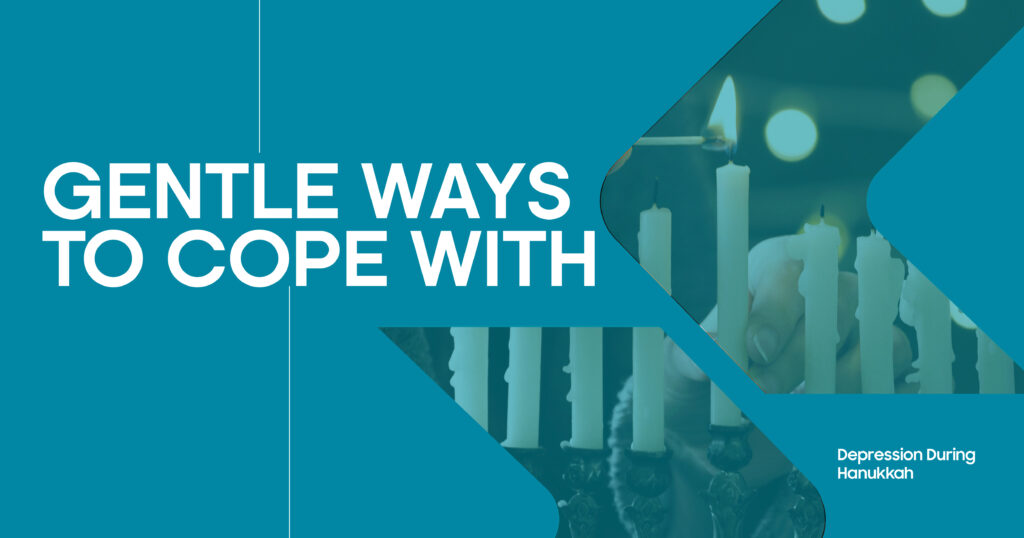
The candle lights flicker, the coziness of custom and the assembling of relatives and companions, Hanukkah is supposed to be a bright feast of hope and re-commitment. However, the season of holidays is not without certain tinges, loneliness, the feeling of sadness, or the even greater weight of grief and loss on many. The depression during the middle of Hanukkah is twice isolating because everybody around you seems to have a good time, and you are having difficulties finding the light.
Depression in the middle of Hanukkah can be twice as isolating, since everyone around you is apparently enjoying themselves, and you are having trouble locating the light. This blog explores the origins of that hurt and presents subtle, culturally sensitive approaches to navigating it, connecting, and respecting both custom and healing.
Recognizing the Signs and Roots of Hanukkah Holiday Blues
Hanukkah is a time of light, joy, and family, but it seems to bring sadness and emptiness to others. Hanukkah holiday blues can creep up without notice, exhaustion, comparison, or unprocessed mourning. You may find you are under pressure to be jovial, play host, party, and in the heart, there exists the burden that does not correspond to the lustre of the candles. Such feelings do not predispose you to be an atheist, but just show that you are a human being. Being aware of what these emotions are founded on is the first scrupulous step towards being sane and calm throughout the season.
Emotional, Cultural, and Seasonal Triggers of Depression
The following is a short preview of some of the typical triggers that may lead to depression during Hanukkah:
| Trigger Type | Description | Emotional Impact |
| Emotional | The sorrow, isolation, or unresolved personal conflicts manifest themselves during the celebration. | Emptiness, withdrawal, and feelings of sadness. |
| Cultural | Stress to stay happy, follow family customs, or conform to the social norms. | Feeling of incompetence or that she is not feeling festive. |
| Relational | Family conflicts or the separation from close people. | Feeling tired and nervous before meetings. |
| Spiritual | Faith traditions and personal struggles conflict with each other. | Groundlessness or conscience in relation to spiritual disconnection. |
Managing Seasonal Affective Disorder During Hanukkah
The darker days of winter may darken more than the daylight, they may well darken our inner light, without making a ruckus. Seasonal Affective Disorder (SAD) tends to have its way when daylight hours are minimal, and a large portion of the population is feeling exhausted, demotivated, or even too depressed at an otherwise happy and joyful time of the year.
It could be especially challenging on Hanukkah, where the theme of the season is light and celebration, and these things do not always reflect what occurs within you. Understanding SAD and knowing how to deal with it with the assistance of some simple exercises, sleep, and a conscious attitude to the lighting, one can also re-establish the equilibrium in one’s emotional cycle.

Light Therapy, Restful Sleep, and Balanced Routine
The following are the simple and research-based methods of controlling Seasonal Affective Disorder during Hanukkah and supporting both the mind and the body:
| Strategy | Description | Emotional Benefit |
| Light Therapy | A 10,000-lux light box can be used to enhance mood, vitality, and alertness. | Improves mood, energy, and alertness. |
| Restful Sleep | Keep consistent sleep and wake times, even during holiday events. | Regular sleep smooths the mood and removes fatigue. |
| Outdoor Exposure | Get out in the open in the daytime. | Enhances vitamin D and generally improves one’s mood. |
Embracing Tradition While Healing Emotionally
Taking into consideration the necessity to provide the loved ones with space to recover and, in the same breath, to observe Hanukkah, remember the following considerate methods of celebrating loved ones during this period:
| Approach | Meaningful Action | Emotional Benefit |
| Light a Memory Candle | Dedicate one menorah candle or an extra flame in memory of your loved one. | Invents a symbolic gesture of remembering and reassurance. |
| Share Their Story | Read a favorite story or make their favorite Hanukkah meal. | Powers their soul. |
| Quiet Reflection | Spend a few moments in silence after candle lighting. | Offers room for acceptance and inner calmness. |
| Give in Their Honor | Make donations or volunteer their names during the season. | Turns sorrow into action and the use of kindness. |
| Blend Tradition with Healing | Be involved in rituals at your speed- change or decrease where necessary. | Respects the cultural tradition and welfare. |
Reducing Stress and Anxiety with Grounding Practices
However, the holidays, despite their joy, are prone to stress. Planning meals, guests, expectations, family dynamics, and budget. This can be aggravated by stress and anxiety when one is already depressed or in a low mood. The mere awareness-based methods can be effective.
- Five-minute breathing break-ins.
- Mindful candle-lighting.
- Body scan before bed.
- The plain nature of the light exposure.
- Establish parameters on holiday antecedents.
Hanukkah Self-Care and Jewish Mental Health Support
Hanukkah self-care does not mean abandoning the tradition – it simply means adding wellness to it, and that does not need much alteration to assist you in preserving your mental and emotional health.
Practical self-care tips:
- Prioritize sleep
- Move your body
- Eat with awareness
- Set realistic expectations
- Provide a safe environment at home.
Find Hope and Support at California Mental Health
In case you are reading this and feel burdened by the depression during Hanukkah, it is important to understand – you are not the only one. At California Mental Health, we know that all these elements of culture, the seasons, emotions, and relationships interplay with the holiday seasons.
Today is the day to start a conversation, not merely about how to get through Hanukkah, but about how to regain connection, meaning, and light.
FAQs
What are effective ways to recognise and address signs of depression during Hanukkah and the Hanukkah holiday blues?
Her eyes reveal persistent low mood, low energy, loss of interest in activities, feelings of loneliness, and a tendency to isolate herself during holiday rituals. By treating these signs at an early stage, through self-care, association, or treatment, more debilitating depression could be avoided.
How can individuals manage seasonal affective disorder during Hanukkah with adjustments in light, sleep, and routine?
Start exposing oneself to bright light in the morning (natural sunlight or light-box), keep to a regular sleep schedule, and regular light time in the outdoors. The changes help regulate the mood and circadian rhythm during the darker winter holiday period.
What strategies can help in coping with grief during Hanukkah while maintaining connections with loved ones and traditions?
The grief during Hanukkah can be dealt with by talking to those you love and sharing memories of the loved one. Traditions need to be kept to a minimum, light the candles, say the prayers, and allow the coziness of togetherness to soothe.
How can people ease feelings of loneliness during Hanukkah through meaningful connections and rituals?
People can ease their feelings of loneliness during Hanukkah by arranging a gathering (call, video, or attending an event in a community), designing an individual practice (as you are physically alone, like lighting the menorah with intentionality), volunteering, or becoming part of a group that identifies with your cultural/spiritual affiliation. The activities of these reaching out alleviate isolation.
What are some simple Hanukkah self-care tips and pathways to Jewish mental health support for managing stress and anxiety?
Keep a regular sleeping schedule, exercise, be mindful during menorah lighting, eat not too much, and find therapists or support groups familiar with the Jewish cultural background. These routes are a way of glorifying your emotional self and your heritage.