







...
Two women smile and talk at a table in a bright room, with the banner text: 'Welcome to California Mental Health – Solutions for California Residents'.

HELP AVAILABLE 24/7 – CALL NOW (408) 457-1453

Personality Disorder Treatment in California

Struggling With a Personality Disorder? California Mental Health Can Help

California Mental Health is a premier residential mental health facility serving clients across California. Build emotional stability and healthier relationships.

Google logo next to'80+ Reviews' with five gold stars indicating a 5-star rating badge (reviews)
Yelp logo with a red flower and'170+ Reviews' beside five gold stars (rating badge).
State of Tennessee Department of Mental Health & Substance Abuse Services logo.
Gold circular award medal with a diagonal stripe and the words'Quality Award' around the edge.
Yelp logo with a red flower and'170+ Reviews' beside five gold stars (rating badge).
Take the First Step Toward Feeling Better
BlueCross BlueShield
Cigna
Anthem
Carelon
GEHA
Aetna
Most PPO Insurance Accepted

Skills-Based Care for Personality Disorders

DBT and other proven approaches help you manage intense emotions and repair strained relationships. Our team meets you with consistency and zero judgment.

Meet Our Team

We utilize a variety of treatment modalities to teach our patients the coping skills they need to find stability and discover their self-awareness.
Portrait of a man with short dark hair and a trimmed beard, wearing a black collared shirt, outdoors with greenery in the background.

Joshua Fane

Program Director/Operations Manager

Portrait of a smiling woman with shoulder-length light brown hair, wearing a sleeveless black top, outdoors in a park.

Jeannie Anderson

Executive Director

Portrait of a smiling woman with long black hair, wearing a green floral dress, outdoors with a blurred background.

Erica Pace

Healthcare Supervisor LVN

Symptoms of Personality Disorder

It encompasses a wide range of symptoms and can manifest differently in each individual. Some symptoms commonly associated with various types of personality disorders include:

Unstable Self-Image

Individuals may need help with a fluctuating sense of self, leading to confusion about their values, goals, and identity.

Difficulty in Relationships

Maintaining stable and healthy relationships can be challenging due to trust issues, fear of abandonment, or an inability to connect emotionally.

Fear of Abandonment

A constant worry about being left behind or rejected often causes someone to act clingy or desperate in relationships.

Difficulty Trusting Others

Suspicion, paranoia, and an inherent belief that others have malicious intentions can hinder the development of trust and closeness with others.

Avoidant Behavior

Avoidance of social interactions, new experiences, or situations that might trigger feelings of inadequacy or embarrassment.

Difficulty Controlling Anger

Difficulty managing anger, resulting in frequent outbursts, aggression, or extreme irritability, impacting relationships and overall functioning.

Persistent Feelings of Emptiness

Individuals may describe an ongoing sense of emptiness and an inability to find purpose or satisfaction in life.

Chronic Feelings of Loneliness

Even in social situations, individuals may experience profound feelings of isolation and alienation, struggling to connect with others.

Sensitivity to Criticism or Rejection

Responding strongly to criticism or perceived rejection, often experiencing extreme emotional reactions such as rage, humiliation, or deep sadness.

Difficulty Adapting to Change

Extreme discomfort or distress when faced with an unexpected change or when taken out of familiar routines and environments.

Impulsivity and Risk-Taking Behavior

Engaging in impulsive actions without considering potential consequences or risks is a common symptom, often resulting from a lack of self-control.

Mood Swings and Emotional Instability

Frequent and intense shifts in mood, from euphoria to intense sadness or anger, can be observed, making it difficult to regulate emotions.

Common Types of Personality Disorders

Clinicians group the ten recognized personality disorders into three clusters based on shared features. Understanding the cluster can help guide the right approach, and many people share traits across more than one:

Cluster

Includes

Common Thread

Cluster A

Paranoid, schizoid, and schizotypal

Patterns that can feel distant, guarded, or hard to relate to

Cluster B

Borderline, narcissistic, antisocial, and histrionic

Intense emotions and unstable relationships

Cluster C

Avoidant, dependent, and obsessive-compulsive

Marked anxiety, fear, and a need for reassurance

Cluster

Includes

Common Thread

Cluster A

Paranoid, schizoid, and schizotypal

Patterns that can feel distant, guarded, or hard to relate to

lCluster B

Borderline, narcissistic, antisocial, and histrionic

Intense emotions and unstable relationships

Cluster C

Avoidant, dependent, and obsessive-compulsive

Marked anxiety, fear, and a need for reassurance

Many people show traits from more than one cluster, and the exact label matters less than the patterns causing distress. Our assessment focuses on how those patterns affect your relationships and daily life, then shapes treatment around them. Personality disorders also frequently co-occur with depression, anxiety, or substance use, which we screen for and address together.

Comprehensive Mental Health Services

Breaking the Stigma and Finding Support

Our Holistic Approach to Personality Disorder Treatment

Comprehensive Assessment

We begin with a thorough evaluation to understand the specific nature of your personality disorder, including its impact on your relationships and daily functioning. This assessment guides the development of your personalized treatment plan.

Dialectical Behavior Therapy (DBT)

DBT is a therapy backed by research, emphasizing emotional regulation, interpersonal skills, distress tolerance, and mindfulness. It has shown notable effectiveness, especially in addressing borderline personality disorder and other related personality disorders.

Cognitive-Behavioral Therapy (CBT)

CBT helps individuals recognize and change unhealthy thought patterns and behaviors associated with their personality disorder. It provides practical strategies for coping with challenging situations.

Medication Management

In some cases, medication may be a part of your treatment plan to alleviate specific symptoms or co-occurring conditions. Our board-certified psychiatrists can provide medication management as needed.

We also draw on another evidence-based option, part of our broader Therapy Options:

ACT helps you accept difficult emotions instead of being controlled by them and commit to actions that reflect your values. For personality disorders, it can ease the shame and reactivity that often fuel conflict.

Our Personality Disorder Treatment Services

Individual Therapy

You will work one-on-one with a skilled therapist who specializes in personality disorders. Together,

you’ll address the specific challenges related to your personality disorder, develop coping strategies, and work towards improved emotional regulation.

read more read less

Group Therapy

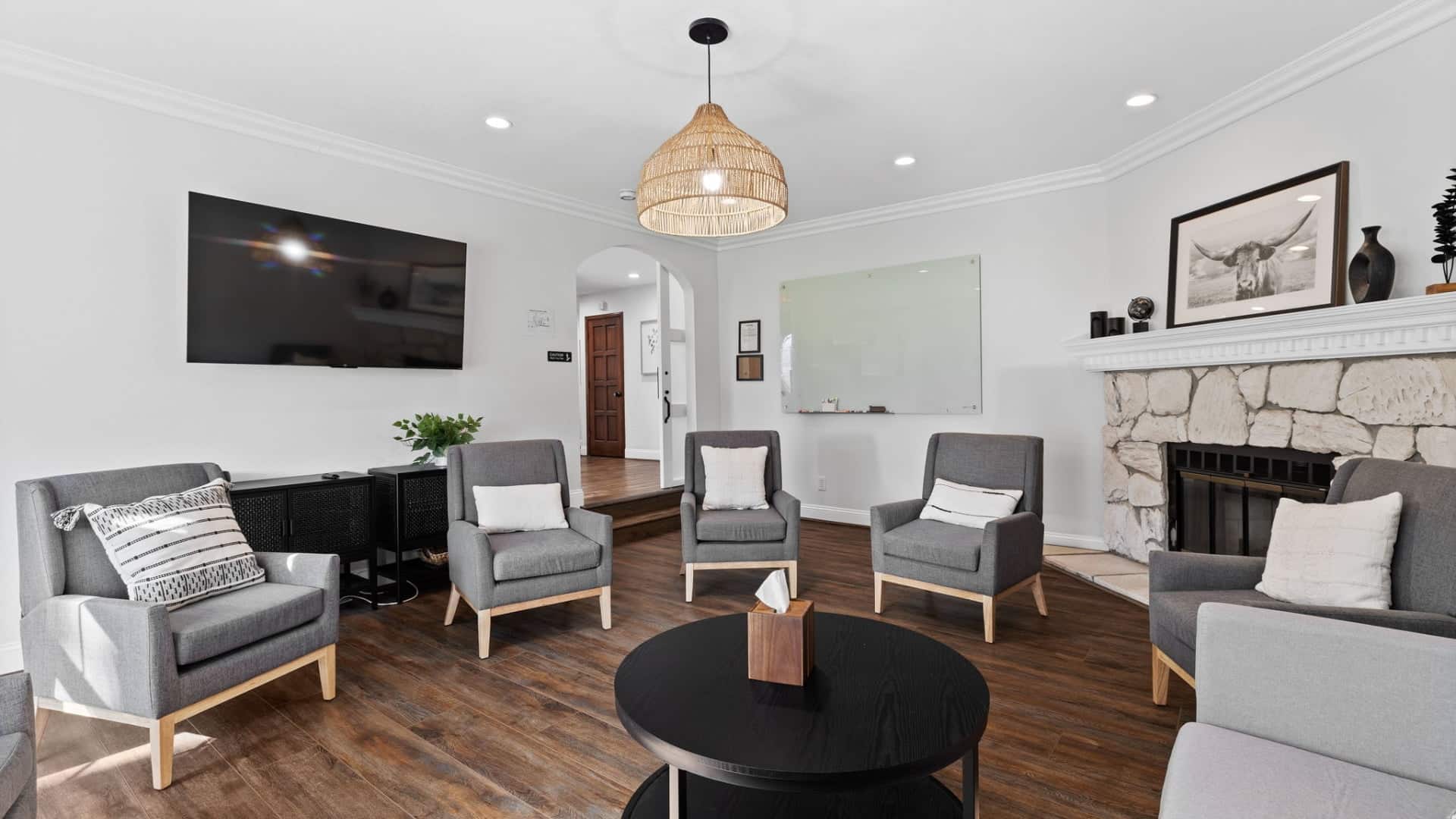
Our group therapy sessions offer a supportive environment where you can connect with others who may have

similar challenges. Sharing experiences and learning from peers can be empowering and validating.

read more read less

Family Education and Counseling

It doesn’t only affect the individual but also those in their close circle. We offer family counseling and educational

resources to enhance understanding and fortify support within the family unit.

read more read less

Holistic Approach

Our comprehensive strategy for Personality Disorder treatment considers diverse aspects of an individual’s life, 

including physical, emotional, and social factors. This comprehensive approach seeks to address the complex nature of disorders, promoting an overall improvement in well-being and assisting individuals in their journey toward better mental health.

read more read less

Mental Health Made Easy.

Get started today. No doctor's approval needed!

Levels of Care for Personality Disorder Treatment

The right amount of support tracks with how much symptoms are disrupting safety and relationships at the moment. These two Levels of Care are the usual starting points:

IMMERSIVE, DBT-INFORMED CARE

When self-harm risk or relationship crises make daily life feel unmanageable, residential care offers a safe, structured place to focus on new skills. You stay in a warm, home-like environment with support available at any hour and DBT built into the daily rhythm. The goal is to move through the hardest stretch safely and leave with skills you can keep using.

  • Around-the-clock support during high-risk periods
  • Daily DBT and skills practice
  • A calm, structured place to steady relationships
SKILLS SUPPORT FROM HOME

Once things feel steady enough to stay at home, our virtual IOP keeps DBT groups and individual therapy within reach over secure video for clients across San Jose, Santa Clara County, and the wider state. Sessions are scheduled around work, school, or caregiving so treatment fits real life.

Why Choose California Mental Health for Personality Disorder Treatment

Our team includes experienced therapists and psychiatrists who specialize in disorders and have a deep understanding of these conditions.
Our track record of successful personality disorder treatment demonstrates the effectiveness of our approach.
We prioritize your privacy, ensuring that your personal information remains secure.
Our center provides a non-judgmental and compassionate space where you can openly discuss your challenges and work towards improved emotional well-being.
Our team includes experienced therapists and psychiatrists who specialize in disorders and have a deep understanding of these conditions.
Our track record of successful personality disorder treatment demonstrates the effectiveness of our approach.
We prioritize your privacy, ensuring that your personal information remains secure.
Our center provides a non-judgmental and compassionate space where you can openly discuss your challenges and work towards improved emotional well-being.

How Long Does Personality Disorder Treatment Take?

Personality disorders are long-standing patterns, so treatment is usually measured in months to a few years rather than weeks. Many people notice meaningful change within the first several months of consistent DBT and therapy, and progress tends to build as new skills become second nature. The timeline depends on the specific disorder, any co-occurring conditions, and how much steady support surrounds you between sessions. Maintenance sessions and family involvement help protect that progress over the long run.

LOCATIONS

Personality Disorder Treatment Near Me

Both California Mental Health offices are in San Martin, minutes from San Jose in the South Bay. Stop into whichever is more convenient:

Reach us anytime at (408) 457-1453.

When you are ready to begin building stability: Contact California Mental Health at (408) 457-1453 or visit our Contact Us page for a free, confidential assessment to begin your journey toward recovery and renewed hope.

Take the First Step

Towards Emotional Stability

Managing a personality disorder is possible with the proper treatment and support. Get in touch with us today to arrange your first consultation. Together, we can help you improve emotional regulation, enhance your interpersonal relationships, and lead a more fulfilling life. Your journey toward emotional stability and well-being begins here at California Mental Health.

01
Say hello. A private call or note is all we need to get going, and no referral is required.
02
Look at coverage. We will spell out what your plan covers before you decide, or you can check it yourself on Verify Insurance.
03
Meet for an assessment. A clinician gets to know your history and goals to recommend the right level of support.
04
Begin your DBT-informed plan. From there, we pair you with the therapies, groups, and setting that fit your life.

Personality Disorder FAQs

What types of personality disorders does California Mental Health treat?

We work with the full range of personality disorders across Clusters A, B, and C, with particular experience in borderline personality disorder. Care is tailored to your specific patterns rather than a one-size-fits-all program.

How does dialectical behavior therapy (DBT) help with personality disorders?

DBT builds four core skills, mindfulness, distress tolerance, emotional regulation, and interpersonal effectiveness, that directly target the intense emotions and relationship strain many personality disorders bring. It has the strongest evidence base for borderline personality disorder.

Does California Mental Health accept insurance for personality disorder treatment?

Yes, we accept most major insurance plans. You can confirm your specific coverage and any costs you would owe in a minute through our Verify Insurance page before you commit to anything.

Is personality disorder treatment available without residential care?

Yes. Many people do well with outpatient therapy, and our virtual intensive outpatient program delivers structured DBT support from home. Residential care is there for higher-risk or crisis periods when more structure helps.

How do I begin personality disorder treatment near me at California Mental Health?

Reach out for a confidential consultation by phone or through our Contact Us page. We will talk through what you are experiencing and outline a plan, available in person at our San Martin offices or through virtual care.

Lasting change is possible, one skill at a time. Contact California Mental Health at (408) 457-1453 or visit our Contact Us page for a free, confidential assessment to begin your journey toward recovery and renewed hope.

Verify Your Insurance

Embark on Your Journey to Wellness

Connect with our compassionate team of experts to discover a treatment plan tailored specifically to your needs.
All calls are 100% free and confidential
California Mental Health logo. State of California with "California Mental Health" text circle.

What We Treat

Therapy Options

Levels of Care

Mental Health Approach