






Phantom limb syndrome is a complex condition that has puzzled patients and medical professionals for decades. This intriguing phenomenon occurs when individuals who have undergone an amputation continue to feel sensations, including pain, in the limb that is no longer there. Understanding phantom limb syndrome is crucial for effective management and treatment.
In this comprehensive guide, we will explore the causes and symptoms of phantom limb syndrome, delve into various treatment options, and examine the connection between this condition and mental health. We will also provide tips for managing phantom limb pain and discuss when it is essential to seek professional help.
What Is Phantom Limb Syndrome?
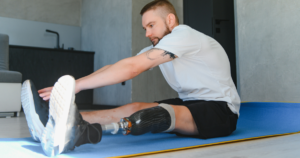
Phantom limb syndrome is the sensation that an amputated or missing limb is still attached to the body and functioning alongside the remaining body parts. These sensations are not limited to the limbs; some patients report similar feelings after the removal of other body parts, such as breasts or teeth.
For some individuals, phantom sensations are mild and go away on their own after a few days. Unfortunately, many patients have to deal with chronic phantom limb pain that affects their quality of life and persists for years after the amputation.
Common Symptoms of Phantom Limb Syndrome
The symptoms of phantom limb syndrome vary from person to person. Below are the most common sensations associated with this condition
- Pain—Patients describe phantom pain as stabbing, shooting, burning, or throbbing pain similar to the sensation of being pierced with a sharp object or touching a hot surface
- Temperature Changes—Some individuals feel that their phantom limb is getting hotter or colder compared to the rest of the body
- Itching—The annoyance of being unable to scratch the area that is no longer there is one of the most common complaints of amputees
- Position and Movement—After an amputation, a person may feel that their phantom limb is stuck in an uncomfortable position or is moving when they are walking, running, or dancing
Causes of Phantom Limb Syndrome
There is no single cause of phantom limb syndrome—instead, doctors believe this condition is triggered by a combination of factors.
- Neurological Factors—After the limb is amputated, the nerves connected to it may continue to send signals to the brain, resulting in phantom sensations
- Psychological Factors—The stress of losing a limb and having to adjust to a new way of living may play a role in the development of phantom limb syndrome
- Peripheral Nervous System Changes—Amputation affects the nerve endings in the remaining part of the limb, potentially leading to inflammation and nerve sensitivity
Treatment Options for Phantom Limb Syndrome
Fortunately, there are several ways to treat phantom limb syndrome—you should talk to your healthcare provider and come up with a treatment plan that suits your needs. Here are the most effective therapies for phantom limb pain.
- Medications—Your doctor may prescribe you over-the-counter painkillers (e.g., ibuprofen or aspirin) or stronger drugs (e.g., antidepressants or opioids) to manage the pain
- Therapies—Physiotherapy, mirror therapy, and acupuncture have been proven to be effective for patients with phantom limb syndrome
- Brain Stimulation—Techniques such as transcranial magnetic stimulation and nerve stimulation target the brain areas and nerve endings responsible for phantom sensations and reduce the pain
Phantom Limb Syndrome and Mental Health
The connection between physical and mental health is well-known these days—if you have phantom limb syndrome, you should pay attention to your mental well-being and address your concerns with a therapist. Phantom Limb Syndrome and Mental Health
- Emotional Impact—Feeling the limb that is no longer there, especially when the sensations are painful, can lead to anxiety, depression, and post-traumatic stress disorder
- Support and Counseling—It is crucial to have a strong support network after the amputation. Surround yourself with friends and family members, and go to therapy to talk to a professional who can help you to adjust to the new lifestyle
Tips for Managing Phantom Limb Syndrome at Home
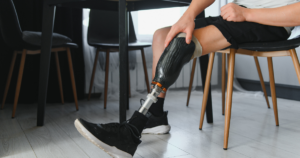
In addition to the treatments prescribed by your doctor, there are things you can do on your own to alleviate phantom limb syndrome.
- Take Care of Your Body – Eat nutritious foods, stay hydrated, and exercise regularly—a healthy lifestyle will do wonders for your recovery
- Relax and rest. – Practice breathing exercises, invest in an aromatherapy diffuser, and have a steady sleep schedule to reduce stress
- Reach Out to Others—Join a local or online support group for amputees – sharing your struggles and listening to the advice of people who have gone through the same thing will be beneficial for your mental health
FAQs
What Is Phantom Limb Syndrome?
Phantom limb syndrome is a condition that affects amputees—patients who have had one of their limbs removed feel that the limb is still attached to the body. These sensations are often painful and uncomfortable.
What Does Phantom Limb Pain Feel Like?
The sensations associated with phantom limb syndrome differ. Some people feel their missing limb is hot or cold, while others struggle with constant itching and throbbing pain.
Is Phantom Limb Syndrome Normal?
It is believed that up to 90% of amputees suffer from phantom limb syndrome to one degree or another. This condition is considered normal—fortunately, there are ways to treat it.
How Do You Get Rid Of Phantom Limb Syndrome?
You can treat phantom limb syndrome with medications and therapies such as acupuncture and physiotherapy. In addition, you should look after your mental health and reach out to a therapist.
Do You Need a Doctor to Treat Phantom Limb Syndrome?
While there are things you can do at home to manage phantom limb syndrome, it is recommended to see a doctor and get a professional diagnosis as well as a personalized treatment plan.
Navigate Phantom Limb Syndrome With Professional Support
Phantom limb syndrome may be a strange and perplexing condition, yet with proper treatment and support, patients can overcome it and return to their normal lives. If you or your loved one has recently gone through an amputation and started feeling phantom sensations, reach out to California Mental Health. Our specialists will be able to help you!