






Have you ever been on the verge of sleep only to be jolted awake by a sudden feeling of panic? A rush of anxiety when falling asleep is a common issue for many people and may lead to insomnia as well as mental distress. Worries and fears should not plague you when you get to bed. Understanding the reasons behind this problem may help you prevent it in the future.
Our insightful guide will help you figure out why you feel a rush of anxiety when you are trying to fall asleep and what to do to resolve this issue. We will review the main symptoms of this problem, analyze its causes, and share effective strategies to manage bedtime anxiety. Sleep is an essential part of a healthy lifestyle—make sure nothing stands in the way of a good night’s rest.
Understanding Anxiety Before Sleep
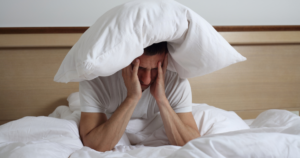
Anxiety at bedtime may be defined as a mental health issue that manifests itself through feelings of unease, fear, and worry when a person is trying to fall asleep. In many cases, this issue is accompanied by physical symptoms—for instance, a person may have a heightened heart rate or start breathing heavily when they are in bed.
While on its own, anxiety before sleep does not seem like a serious problem, it can negatively affect a person’s life. If you are incapable of getting the recommended seven or eight hours of sleep per night due to persistent anxiety, this may disrupt your productivity during the day and lead to long-term sleep deprivation.
Symptoms of Anxiety When Falling Asleep
Here are the most common signs of anxiety people may experience when they are trying to fall asleep:
- Mental Symptoms. A person may feel restless and uneasy, plagued by intrusive thoughts and intense worry. It is not unusual to feel a jolt or panic when you are about to fall asleep.
- Physical Symptoms. Your body may react to anxiety before sleep—it is often manifested in muscle tension, chest pain, rapid heartbeat, shortness of breath, sweating, and trembling.
It is important to remember that some people do not show any symptoms of anxiety, yet still struggle to fall asleep. If you think your inability to sleep is linked to your mental health, consult a professional, even if you do not check the boxes on the list above.
Causes of Bedtime Anxiety
Several reasons may explain the rush of anxiety when you are trying to sleep:
- Stressful Lifestyle. If you are dealing with chronic stress in your personal and professional life, your worries may follow you to bed—it is only natural that your brain does not “turn off” when you are trying to sleep, when you are under a lot of pressure during the day.
- Poor Sleep Environment. Sometimes external factors are to blame—loud noises, an uncomfortable mattress, or bright lights in your bedroom may create a poor atmosphere for sleep.
- Health Disorders. Your anxiety may be linked to an underlying medical condition—from thyroid problems to drug addiction, numerous disorders list insomnia and anxiety among their symptoms.

How to Manage Anxiety When Falling Asleep
Follow these suggestions to tackle anxiety before sleep:
- Reduce Your Stress. While it may be easier said than done, it is crucial to find a way to lower your stress levels during the day—practice breathing exercises, meditate, and cut down on your workload if possible.
- Improve Your Sleep Hygiene. Do not use electronic devices before bed; keep your bedroom dark and cool, invest in a comfortable pillow and mattress, and do not consume caffeine in the evening.
- Talk to a therapist. A certified professional will be able to diagnose the issue based on your description and prescribe a treatment that suits you—for example, you may be given medication to cope with anxiety.
When to Seek Help for Sleep Anxiety
In case sleep anxiety negatively impacts your life, it is recommended to reach out to a mental health professional and get their advice. Talk to a therapist if you have trouble falling asleep or remaining asleep during the night, feel anxious at bedtime, and struggle to focus and concentrate during the day due to a lack of sleep—you may be given valuable tips to manage anxiety before sleep as well as a prescription for medications that will help you calm down when you are about to go to bed.
Your therapist will be able to determine the root cause of the problem and remind you of the techniques you can implement in your daily routine to control the anxiety. In addition, you may want to talk to your friends and family and let them know about your struggles—build a support network you can rely on
FAQs
What Is Sleep Anxiety?
Sleep anxiety is a feeling of unease and panic that a person may experience when they are trying to fall asleep. It is often accompanied by symptoms such as a rapid heartbeat and shortness of breath.
What Are the Symptoms of Anxiety When Falling Asleep?
The symptoms of sleep anxiety are either mental (intrusive thoughts and worries) or physical (muscle tension, sweating, and trembling). Some people may not show any symptoms and still suffer from anxiety before bed.
What Causes a Rush of Anxiety When You Are Trying to Sleep?
There are several reasons why a person may feel anxious before bed: stress during the day, an uncomfortable bed, loud noises in the bedroom, and an underlying medical condition that needs to be addressed with a doctor.
How to Stop Anxiety Before Bed?
You can handle sleep anxiety on your own or with the help of a therapist. Build a better environment for sleep, avoid screen time before bed, and lower your stress levels during the day.
Do I Need to Talk to a Therapist About Sleep Anxiety?
If sleep anxiety prevents you from sleeping and affects your daily life, schedule an appointment with a therapist and share your concerns with them—a mental health professional will be able to diagnose the issue and prescribe a treatment for it.
Sleep Peacefully Without Anxiety
Whether you have managed to resolve this issue on your own or decided to reach out to a therapist for guidance, addressing anxiety before sleep and ensuring this problem does not affect your life is crucial. In case you or a person you care about starts feeling uneasy and panicky at bedtime, remember that the team of mental health professionals is always ready to help you—you can enlist the support of California Mental Health and overcome this challenge. Schedule an appointment with a certified therapist from California Mental Health to tackle sleep anxiety!