





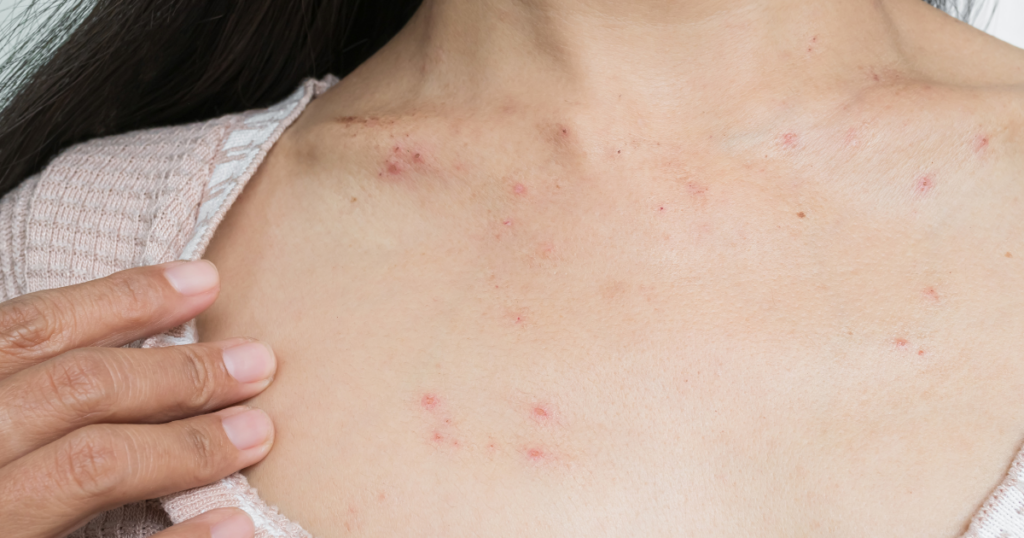
Anxiety is a normal part of being human—we all feel stressed sometimes. But certain symptoms of nervousness can catch you by surprise. Did you know that your skin may suffer from mental health issues? If you notice redness, itching, or inflammation on your body, an anxiety rash may be the culprit. Our guide will teach you to recognize the signs of an anxiety rash and find proper treatment.
When your mind and your body are connected, poor mental health may lead to various physical symptoms, including skin problems. While a rash is not dangerous to your health, it can be rather uncomfortable. People who struggle with chronic stress often break out in hives. Keep on reading to learn the causes of an anxiety rash and feel better with our useful tips.
What Is an Anxiety Rash?
An anxiety rash is a skin reaction that occurs when a person is feeling stressed. Usually, it looks like small red bumps or hives that appear on the skin out of nowhere—many people mistakenly associate this rash with an allergic reaction. An anxiety rash does not have a specific location—you may see it on your face, neck, chest, arms, legs, or stomach.
While a stress rash is not a serious medical condition, it may cause discomfort—the rash may be itchy and hot, and in some cases, hives swell and hurt when touched. Luckily, there are several ways to treat an anxiety rash and restore your skin to its normal condition.
Symptoms of an Anxiety Rash
Here are the most common signs of an anxiety rash:
- Redness. Many people panic when they see their skin turn red—if you do not suffer from allergies and cannot find an obvious reason for this change, it may be linked to your stress levels.
- Itchiness. An anxiety rash will often irritate your skin—you will feel the urge to scratch the affected area, whether there are visual signs of the rash or not.
- Swelling. In some cases, a stress rash leads to hives—your skin will break out in bumps of a different size. Typically, hives go away on their own in a few hours.
How Does Anxiety Cause Skin Rashes?
There is a clear connection between anxiety and skin rashes—stress affects the body in several ways:
- Hormonal imbalance. When you are under stress, your body produces cortisol—this hormone may increase the production of skin oil, which in turn clogs the pores and leads to a rash.
- Blood vessel expansion. Feeling anxious increases your heart rate and expands the blood vessels in your body—this may result in skin redness and inflammation.
- Underlying skin conditions. Chronic stress is often linked to diseases such as eczema and psoriasis. If you have been diagnosed with a similar condition in the past, be aware of your mental health—anxiety may exacerbate the symptoms.
How to Get Rid of an Anxiety Rash?
Follow these steps to treat an anxiety rash:
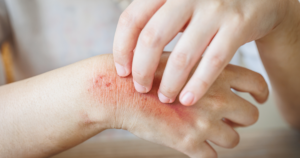
- Use a cold compress. You can reduce the inflammation and soothe the skin by applying something cold to the affected area, whether it is a clean wet cloth or an ice pack.
- Try topical treatments. There are lotions, creams, and ointments specifically designed to deal with hives and rashes. For instance, an anti-itch cream that contains hydrocortisone or diphenhydramine will be effective.
- Remove triggers from your environment. While it may be impossible to avoid stress altogether, you should do your best to take care of your mental health. Practice breathing exercises, devote time to your hobbies, and reach out to a medical professional if you need advice.
Can You Prevent an Anxiety Rash?
Yes, it is possible to stop an anxiety rash before it starts. Here is what you can do to prevent a stress rash:
- Take care of your skin. Build a skincare routine that suits you—for example, moisturizing your skin and wearing sunscreen every time you leave the house are good practices.
- Work on your mental health. There are many techniques you can implement in your daily life to feel calmer—meditate, exercise, eat balanced meals, and get at least eight hours of sleep every night.
- Pay attention to the symptoms. If you have spotted an anxiety rash on your skin, listen to your body—there may be. It is a serious stressor in your life that you need to address.
FAQs
What does an anxiety rash look like?
A typical anxiety rash consists of small red bumps or hives. Your skin may become pink or red, start itching, and swell.
Where does an anxiety rash appear?
There is no specific location for an anxiety rash—it can show up on your face, neck, chest, stomach, back, and limbs.
How long does it take for an anxiety rash to go away?
In most cases, an anxiety rash resolves on its own in a few minutes or hours. If the rash persists, you should try a topical treatment or talk to a doctor.
Can stress cause a skin rash?
Yes, if you are feeling stressed, your skin may suffer from it. High levels of anxiety may lead to hormones, increase the blood flow to the skin, and cause hives.
What is the best way to treat an anxiety rash?
You can apply a cold compress to the affected area and use a lotion or cream meant to tackle the hives. In addition, address the triggers of your stress to avoid rashes in the future.
Find Peace for Your Skin and Mind with California Mental Health
Your mental health can have a direct impact on your physical well-being—it is not unusual to develop a skin rash when you are feeling stressed. Nonetheless, you can treat an anxiety rash and prevent it from recurring in the future—recognize the symptoms, apply the appropriate treatment, and reduce stress in your life.
Are you looking for guidance and support to manage your anxiety? Reach out to California Mental Health! Our team of professionals is here to help you—give us a call and book an appointment to speak to a therapist.