





Understanding the nuances of mental health symptoms can be challenging, especially when two different conditions appear to share the same signs. A good example of this confusion is anxiety vs. panic attack—while these two issues have a lot in common, they are not the same.
In our guide, we will explain the difference between anxiety and panic attacks, go over the symptoms associated with both conditions, and determine when it is necessary to reach out to a mental health professional for assistance.
Understanding Anxiety
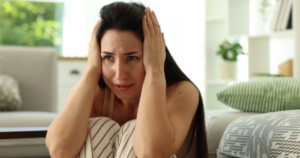
Anxiety is a natural reaction of the human body to stress—when a person feels threatened, whether the danger is real or perceived, they may feel uneasy and afraid of the situation they are in. In most cases, anxiety is temporary and harmless—for instance, it is perfectly normal to feel anxious before an important event such as a job interview or an exam.
However, in certain scenarios, anxiety persists and negatively affects the life of the individual who struggles to control their feelings. If constant worry is accompanied by physical symptoms such as fatigue, restlessness, and lack of concentration, you may be dealing with an anxiety disorder.
Defining Panic Attacks
A panic attack can be described as a sudden episode of fear that comes out of nowhere and peaks within minutes. A person who suffers from a panic attack may believe they are in danger—it is not unusual to feel like you are having a heart attack or losing your mind when this acute health issue occurs.
On average, panic attacks last around 10-15 minutes, yet the person may feel uneasy and shocked by the experience hours after the attack is over. There are two types of panic attacks—expected attacks take place when a person is exposed to a certain trigger or phobia, while unexpected attacks happen without a clear reason.
Symptoms of Anxiety and Panic Attacks
There is an overlap in symptoms of anxiety and panic attacks, which makes it difficult to differentiate between the two:
- Accelerated heart rate.
- Chest pain.
- Shortness of breath.
- Sweating.
- Trembling.
While anxiety is typically associated with psychological symptoms such as excessive worry and irritation, panic attacks often have physical symptoms—for example, feeling dizzy and nauseated. Besides the symptoms people around you can notice—shaking, hyperventilation, and sweating—a person having a panic attack may deal with internal symptoms such as chills, hot flashes, and a sense of detachment from reality.
Triggers and Causes
There are several reasons to feel anxious or suffer from a panic attack—in many cases, this mental health issue is triggered by a specific circumstance or item.
- Phobias. Fear of heights, aversion to public speaking, and other phobias may be triggered when a person is put in a situation they are afraid of.
- Medications. Certain drugs have anxiety or panic attacks listed among their side effects.
- Substance abuse. People who consume alcohol and drugs may experience panic attacks, especially when they stop taking the substance they are addicted to.
- Chronic illness. If you are suffering from a cardiovascular, endocrine, or respiratory disease, you may have a panic attack out of the blue.
Treatment and Coping Strategies
Fortunately, there are many ways to treat anxiety and panic attacks and adapt effective long-term coping mechanisms to suit your lifestyle.
Therapy for Anxiety and Panic Attacks
It is advised to visit a mental health professional who will be able to diagnose the issue you are facing and come up with a personalized treatment plan to help you manage the symptoms.
You may benefit from cognitive behavioral therapy—this type of talk therapy is known for its effectiveness when it comes to anxiety treatment. A therapist will work with you to identify the negative patterns in your thinking and behavior and give you the tools to cope with the attacks.

Medications for Managing Symptoms
A psychiatrist may prescribe you certain drugs to treat anxiety and panic attacks:
- Antidepressants. These medications are often used to treat various anxiety disorders—they will be effective in preventing panic attacks.
- Benzodiazepine. These drugs have a sedative effect and are usually taken during a panic attack to quickly alleviate the symptoms. Note that benzodiazepines are addictive.
- Beta-blockers. Originally intended for heart patients, beta-blockers can be useful for short-term anxiety relief—they minimize the physical symptoms of a panic attack, such as rapid heart rate and shaking.
Lifestyle Changes to Reduce Anxiety
There are a few little things you can do every day to lower your stress levels and prevent panic attacks:
- Practice deep breathing. Various breathing exercises will be beneficial both in the middle of a panic attack and in your daily life.
- Avoid caffeine, alcohol, and drugs. Harmful substances will only increase your anxiety—instead, drink water and have a balanced diet.
- Exercise regularly. Physical activity is known to reduce stress—go for a run, sign up for a yoga class, or simply go for a walk during your lunch break.
- Get enough sleep. Lack of sleep is dangerous for your physical and mental well-being—make sure you sleep 7-8 hours every night.
FAQs
What is the main difference between anxiety and a panic attack?
While anxiety is a reaction to stress that is usually preceded by a stressful situation, a panic attack is sudden and unexpected.
Can anxiety lead to panic attacks?
Yes, if a person suffers from an anxiety disorder and does not treat it, it may result in panic attacks—sudden episodes of intense fear.
What are the common symptoms of a panic attack?
Panic attacks are typically accompanied by a rapid heart rate, chest pain, shortness of breath, sweating, and trembling.
How do you stop a panic attack when it happens?
If you feel you are having a panic attack, try to breathe deeply, close your eyes, and focus on your breathing; reduce the stimuli around you and practice mindfulness, and carry medication prescribed by your doctor (such as benzodiazepines) with you.
Is it necessary to see a doctor to treat anxiety?
It is recommended to visit a therapist and ask for help—a mental health professional will be able to diagnose your condition and either give you medication to manage the symptoms or suggest inpatient treatment.
Navigate Mental Health With Confidence at California Mental Health
We hope that our guide was helpful and that you now understand the difference between anxiety and panic attacks, including how their symptoms can present and impact daily life. While these conditions can feel overwhelming, the right support and treatment plan can make them manageable. If you or someone you love is struggling, California Mental Health offers compassionate, individualized care to help you move forward with clarity and confidence—reach out today to speak with a mental health professional and begin your path toward balance and healing.