






When Sarah noticed her daughter withdrawing from friends and losing interest in activities she once loved, a familiar weight settled in her chest. She’d watched her own mother battle depression for years, and now the pattern seemed to be repeating. Across California and beyond, families grapple with this question: is depression genetic, and if so, how does it shape risk for the people we love?
Research shows that depression is moderately heritable, with genetic factors accounting for less than half of your risk. The remainder stems from environmental factors, life experiences, and personal coping strategies. While family history of depression increases your likelihood of experiencing the condition, it doesn’t seal your fate. Understanding how hereditary and environmental influences interact empowers you to take proactive steps, recognize warning signs early, and access treatment that addresses your unique risk profile.
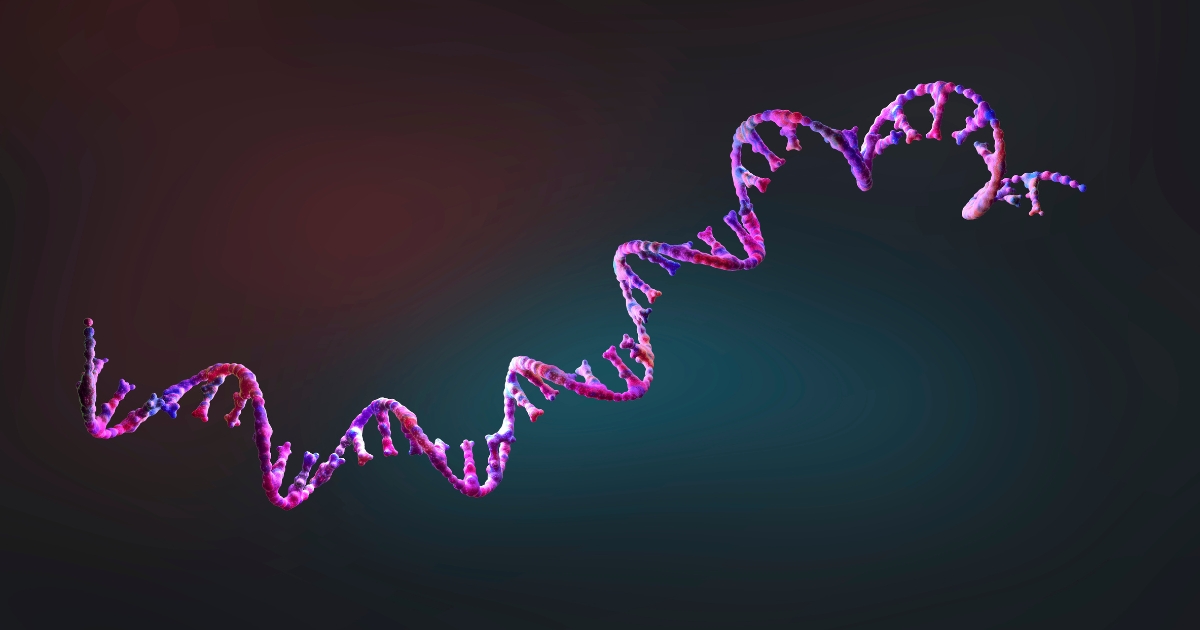
How Family History Influences Depression Risk
Depression heritability percentage figures come primarily from twin and adoption studies. Identical twins, who share all their DNA, show substantially higher concordance rates for major depressive disorder than fraternal twins. If one identical twin develops depression, the other faces significantly elevated risk compared to the general population, while fraternal twins show more modest familial clustering.
When people ask, “Is depression genetic?” certain subtypes show particularly strong hereditary patterns. Bipolar depression shows substantially stronger heritability than unipolar major depression, with genetic factors playing a more dominant role. Early-onset depression—beginning before age 30—also demonstrates more pronounced familial clustering than late-onset forms. Understanding these hereditary depression risk factors helps clinicians assess whether your family pattern suggests higher genetic loading or primarily environmental transmission. Recurrent depression, where individuals experience multiple episodes throughout life, tends to run in families more consistently than single-episode cases.
Your genes don’t operate in isolation—they interact with stress, trauma, relationships, and daily experiences to shape your mental health trajectory. A genetic predisposition creates vulnerability, but environmental factors often determine whether that vulnerability becomes clinical depression.
What Genes Are Linked to Depression?
Scientists have identified several specific genes linked to depression, offering partial answers to whether depression is genetic, though no single gene causes the condition. The serotonin transporter gene (5-HTTLPR) has received extensive research attention. Variations in this gene affect how efficiently your brain recycles serotonin, a neurotransmitter that regulates mood. People with certain 5-HTTLPR variants show heightened stress sensitivity and increased depression risk when exposed to adverse life events.
Brain-derived neurotrophic factor (BDNF) gene variants can reduce protein availability that supports neuron growth in mood-regulating brain regions.
Epigenetics reveals how life experiences can activate or silence genetic predispositions without changing the underlying DNA sequence. Chronic stress, childhood adversity, or trauma can attach chemical markers to your genes, affecting whether they turn on or off. These epigenetic changes can even be passed to the next generation, offering one explanation for how depression patterns persist across families beyond direct genetic inheritance.
Environmental factors that cause depression operate independently and in combination with genetic risk. Understanding these triggers helps you identify modifiable risk factors regardless of your family history:
- Childhood trauma or abuse creates lasting changes in stress response systems, increasing vulnerability throughout life.
- Chronic stress from work demands, financial pressure, or caregiving responsibilities depletes emotional reserves and disrupts neurotransmitter balance.
- Substance use, particularly alcohol and certain drugs, alters brain chemistry in ways that can trigger or worsen depressive episodes.
- Major life transitions such as divorce, job loss, relocation, or bereavement challenge coping resources and may precipitate depression.
- Social isolation and lack of supportive relationships remove protective factors against depression.
- Medical conditions including thyroid disorders, chronic pain, cardiovascular disease, and neurological conditions carry independent depression risk.
| Risk Factor Category | Genetic Contribution | Environmental Contribution |
|---|---|---|
| Early-Onset Depression | High heritability, strong family clustering | Childhood adversity amplifies genetic risk |
| Late-Onset Depression | Moderate genetic influence | Life stressors and medical conditions predominate |
| Recurrent Episodes | Stronger familial pattern than single episodes | Ongoing stress exposure and inadequate treatment |
| Treatment-Resistant Cases | Genetic variations affect medication response | Comorbid conditions and social determinants |
What to Do If Depression Runs in Your Family
Understanding whether depression is genetic and knowing the answer to “Can depression run in families?” prompts an important question: what proactive measures reduce your risk? Start by monitoring yourself for early warning signs. Persistent sadness lasting more than two weeks, loss of interest in activities, sleep disruption, appetite changes, difficulty concentrating, and social withdrawal all warrant attention. When symptoms interfere with daily functioning, seek professional support.
Many people benefit from therapy before symptoms become severe, learning coping strategies and building resilience during stable periods. If you have a strong family history, consider establishing a relationship with a therapist for periodic check-ins and early intervention. This proactive approach often prevents mild symptoms from escalating. If you or someone you know is in crisis, call or text 988 to reach the Suicide & Crisis Lifeline, available 24/7.
Clinicians use family history to guide treatment planning in several ways. First-degree relatives often share medication response patterns due to genetic similarities. If your parent responded well to a particular antidepressant, you may benefit from the same medication; if they experienced side effects, your clinician may choose a different first-line treatment.
Family history also helps determine treatment intensity. Someone with multiple affected relatives and early symptom onset may benefit from combining medication and therapy rather than trying one approach first, achieving remission faster and reducing the chance of recurrence.
Depression genetic testing examines genes involved in medication metabolism, helping clinicians identify which antidepressants your body processes efficiently versus those likely to cause side effects. This pharmacogenetic testing can reduce trial and error in medication management.
However, while genetic tests offer some insight into hereditary risk, they cannot predict whether you will develop the condition. The condition involves dozens of genes, each contributing a small effect, plus substantial environmental influence.
| Preventive Strategy | How It Reduces Risk |
|---|---|
| Regular Exercise | Increases neurotransmitter production and reduces inflammation linked to depression |
| Consistent Sleep Schedule | Stabilizes mood-regulating brain systems and supports emotional resilience |
| Strong Social Connections | Provides emotional support and buffers against stress-induced symptoms |
| Stress Management Skills | Prevents chronic stress from triggering genetic vulnerabilities |
| Early Symptom Recognition | Enables intervention before mild symptoms progress to major episodes |
Practical Prevention Steps
The question “Is depression genetic?” has a nuanced answer: while you cannot change your genetic blueprint, you can modify many environmental risk factors. Prioritize sleep hygiene by maintaining consistent bed and wake times and limiting screen exposure. Regular physical activity—even 30 minutes of walking most days—produces neurochemical changes that protect against the onset of depression.
Build meaningful relationships—social isolation magnifies genetic risk, while strong connections provide emotional support during stress.
Document your family mental health history: which relatives experienced depression, their age at onset, symptom patterns, and treatment outcomes. Share this with your healthcare providers. This record becomes valuable if you develop symptoms, allowing your treatment team to tailor care accordingly.

Rewriting Your Genetic Story at California Mental Health
Understanding whether depression is genetic empowers rather than limits you. Genetic predisposition responds remarkably well to evidence-based treatment—therapy, medication, lifestyle modification, and supportive care all work effectively regardless of hereditary roots. At California Mental Health, our clinicians incorporate family history into personalized care plans that address both biological vulnerabilities and environmental factors. Whether you’re experiencing symptoms now or want to get ahead of genetic risk, reach out today to discuss how family-history-informed care can help you build resilience and access treatment that works for your specific situation.
FAQs
The following questions address common concerns regarding depression running in the family and when to seek professional help.
1. How to prevent depression if it runs in your family?
While you cannot change your genes, early intervention, therapy, healthy lifestyle habits, and stress management significantly reduce your risk. Proactive mental health support can help you recognize and address symptoms before they become severe.
2. What percentage of depression is genetic versus environmental?
Research suggests depression is moderately heritable, meaning genetics account for less than half of your risk. Environmental factors, life experiences, and personal coping strategies play an equally important or greater role in whether you develop the condition.
3. Should I get genetic testing if depression runs in my family?
Current genetic tests for depression have limited clinical utility since multiple genes contribute small effects and environmental factors matter greatly. Family history assessment and proactive mental health monitoring are more practical and actionable approaches for most people.
4. Does having a parent with depression mean I will definitely get it?
No—genetic risk is not destiny. Having a parent with depression increases your likelihood but does not guarantee you will experience it. Many people with a family history never develop depression, especially with awareness, healthy coping skills, and early intervention when needed.
5. How does knowing my family history help with depression treatment?
Family history helps clinicians predict which medications may work best, since genetic factors influence medication response. It also allows your treatment team to identify your personal risk factors, create preventive strategies, and tailor treatment intensity for more effective, personalized care planning.