






Ever notice how the worst advice shows up exactly when you need it least? Someone tells a stressed person to relax. Take a breath. Run a bath, maybe. And that person, quietly, wants to throw something. Relaxation isn’t the enemy. But a bath does nothing about the cortisol still churning through your blood twenty minutes later.
So skip the throwaway tips. What follows is how to relieve stress the way your biology responds to it, using stress relief techniques that work with your nervous system and brain chemistry instead of papering over the feeling. Real science. And nothing here needs a subscription or a guru.
Why Stress Relief Requires More Than Just Relaxation
The reason most advice on how to relieve stress falls flat is that it confuses comfort with repair, and those are two different things. Ever taken a bath, felt amazing for an hour, then watched the tension flood right back in? Feels great, fixes nothing. Relaxation methods can absolutely help, but there’s a catch, they only work when they shift what your body is doing, not when they just take your mind off it for a bit. Get under the feeling itself. Real relief lives down in the machinery cranking it out.
The Science Behind Chronic Stress and Your Body
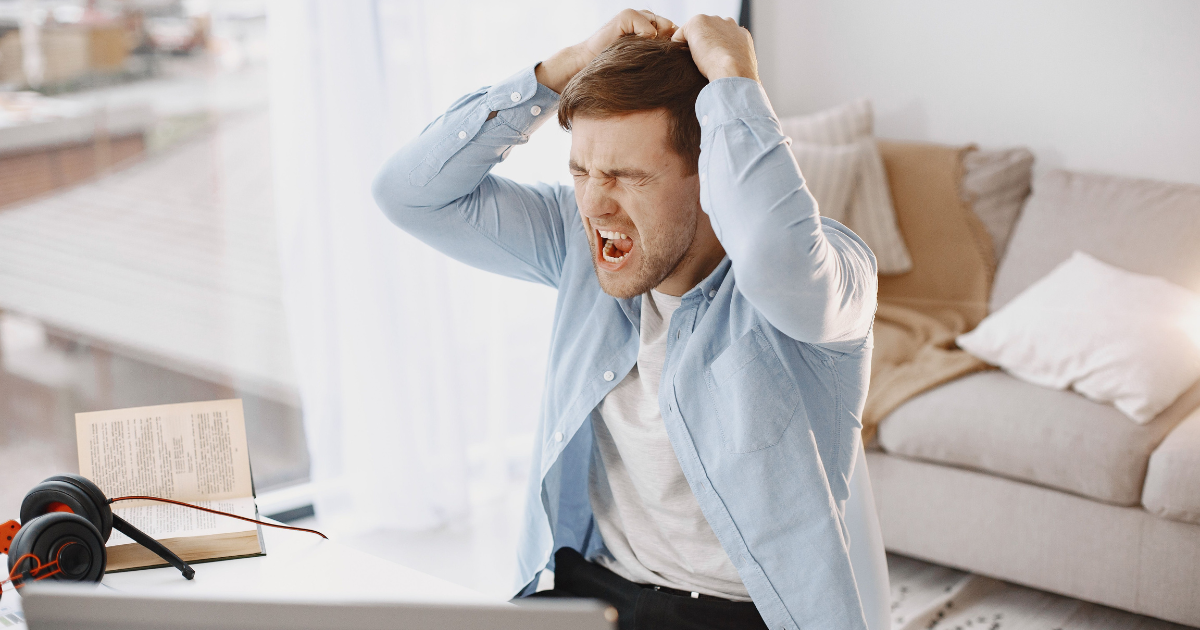
Blame stress for everything and you miss what it’s for. In short bursts, the stress response is a marvel, cortisol and adrenaline surge, your focus narrows, and suddenly you can handle the thing in front of you. Then, ideally, it powers down. Chronic stress is where that off-switch quits working. Weeks stretch into months, cortisol never fully drops, and a system built for the odd emergency ends up running full-time, wearing you out from the inside.
Same hormone, two completely different stories.
| Short-term stress | Chronic stress |
| Spikes, then switches off | Never fully switches off |
| Sharpens focus and energy | Wears down body and mind |
| Helpful before a deadline | Harmful month after month |
| Cortisol rises and falls | Cortisol stays stuck high |
How Stress Management Changes Your Brain Chemistry
None of that stuck state is permanent. Good news, right? The brain keeps rewiring itself around whatever you repeat, so stress management works less like a mood and more like training. Breathe, meditate, move, sleep well, and do it often enough, and your baseline cortisol drifts down while the calming chemistry climbs. This stops being about surviving a bad day. The set point itself moves.
Breathing Exercises That Activate Your Parasympathetic Nervous System
Of all the systems humming along without your input, breathing is the one you can grab the wheel of. That’s the trick, really. Slow it down, deepen it, and your body tips out of fight-or-flight into the parasympathetic state, the rest-and-recover setting. The National Cancer Institute’s relaxation guidance points to slow, rhythmic breathing at around nine to twelve breaths a minute, pulled deep into the belly instead of the chest. Worth keeping a few of these in your back pocket.
- Belly breathing. Hand on your stomach, and breathe so that hand rises instead of your chest.
- The physiological sigh works fast, a double inhale through the nose, then a long release.
- Or try 4-7-8, in for four, hold for seven, out for eight.
- When in doubt, just make every exhale longer than the inhale and repeat.
Mindfulness Practices for Immediate Anxiety Reduction
Anxiety is a time traveler. It hauls you into a future stuffed with disasters that mostly never arrive. Mindfulness does the reverse, planting you back in the present, where the disaster generally isn’t happening. Forget the idea that you have to empty your head or float off to some serene nowhere. The National Center for Complementary and Integrative Health notes that mindfulness meditation may ease stress, anxiety, and depression, lower cortisol, and improve sleep quality. Two minutes of it can take the top off a spike.
Box Breathing Techniques for Rapid Calm
Need to get calm in the next sixty seconds? Box breathing. Soldiers and paramedics use it before things get intense, which should tell you plenty about how well it holds up when the pressure is real. Four counts in. Hold four. Four counts out. Hold four again. Picture drawing the four sides of a square as you go, and cycle through it three or four times. Somewhere in there, your heart rate eases and your thoughts stop stampeding.
Sleep Quality as Your Foundation for Stress Recovery
Master every breathing technique in this article, and you’ll still feel like garbage if your sleep is a wreck. Nighttime is when the body does its actual repair work, flushing out the day’s cortisol and resetting the whole nervous system. Cut it short and every other tool gets weaker. People treat good sleep quality like a bonus, something you get to once the important stuff is handled. It’s the opposite. Sleep is the foundation the rest is built on.
How Sleep Deprivation Amplifies Stress Hormones
What makes it vicious is the way it circles. Stress steals your sleep. Then lose that sleep, and your stress hormones climb higher still, because the body reads a short night as one more emergency. Up goes the cortisol. You wake already frayed, the next night lands harder, and round it goes, each lap a little tighter. Which is exactly why fixing your sleep so often loosens everything else.
Creating the Ideal Sleep Environment for Mental Health
Sleep can’t be forced, no matter how hard you try. Set the stage for it, though, and it tends to turn up on its own. Two things do most of the work. A bedroom that quietly tells your body it’s safe to power down. And a schedule steady enough that sleep stops being a fresh argument every single night. The rest is small tweaks.
- Dark as you can get it. Even a sliver of light keeps the brain half-awake.
- Cooler than feels obvious, around 65 degrees for most people.
- Kill the screens an hour out; the blue light stalls your melatonin.
- Same bedtime and wake time, weekends and all.
- Beds are for sleeping. Answer emails literally anywhere else.
Physical Movement and Exercise for Stress Release
Stress doesn’t just live in your head. It floods your muscles with fight-or-flight fuel, then leaves you at a desk with nowhere to spend it. Move, and that fuel finally gets burned off. A good sweat torches the stress chemicals and leaves behind the ones that lift your mood, no gym membership or grand plan required. The best exercise for stress, in the end, is whatever you’ll come back to.
- A brisk walk outdoors clears the fog surprisingly fast.
- Prefer intensity? Run, cycle, or dance around the kitchen until you’re winded.
- Wind-down types, lean toward yoga or a long stretch instead.
Nutrition and Hydration: The Overlooked Stress Relief Methods
Lunch rarely makes the list of stress-management tools. It should. Live on coffee and sugar all day, and you’re strapping your body onto a chemical rollercoaster it can’t get off. Even mild dehydration nudges cortisol upward, which is reason enough to keep a water bottle within reach. None of this outranks sleep or movement. What it does is tilt the whole system, a little better on good days, a little worse on bad ones.
Getting Professional Support at California Mental Health
Learning how to relieve stress on your own can carry you a long way. It can’t carry you all the way. When ordinary stress curdles into something bigger, panic attacks, weeks without real sleep, a heaviness that won’t budge, no breathing exercise was ever built to carry that solo. Reaching out isn’t giving up. Far from it, it’s what a clear-eyed person does when the tools on hand stop being enough.
That’s where we come in at California Mental Health. We help people trace chronic stress and anxiety back to the root, with real tools and steady support, not one more listicle.
White-knuckling through it alone gets old fast. Reach out to California Mental Health, and let’s put together something that holds up.
FAQs
-
Can stress relief techniques work if you have severe anxiety or panic disorder?
They help, but treat them as a support rather than a cure. Breathing and mindfulness can knock the peak off a spike, though a severe anxiety disorder or panic disorder usually needs professional treatment to truly shift. Run the self-care alongside therapy, not in place of it.
-
How long does it take for breathing exercises to calm your nervous system?
Quicker than most people guess. A minute or two of slow breathing can start tipping you toward calm, since it acts straight on your nervous system. Bigger, lasting change comes from repetition, so short daily sessions beat the occasional marathon.
-
What’s the connection between gut health and your body’s stress response?
Your gut and brain are in constant conversation, over what researchers call the gut-brain axis. Drag stress out long enough and it can tip your gut bacteria out of balance. A struggling gut, in turn, loops back to worsen your mood, which is exactly why steady whole-food eating helps at both ends.
-
Should you exercise when stressed, or does rest work better for recovery?
It depends on which kind of tired you’re dealing with. If you’re wired and restless, moving helps burn off the edge. If you’re wrung out and running on no sleep, a gentle walk or honest rest beats grinding through a hard session.
-
Why do some people need professional mental health support beyond self-care methods?
Some stress grows from roots self-care can’t reach, like trauma, a chemical imbalance, or a condition that needs real treatment. Managing symptoms is one thing; getting at the actual cause is another, and that’s a job for a professional. There’s no shame in needing it, and plenty of good sense.