






Waking up exhausted despite a full night’s sleep, struggling to stay alert during meetings, or experiencing sudden episodes of overwhelming drowsiness can signal more than just poor sleep habits. Two distinct conditions—sleep apnea and narcolepsy—produce overlapping symptoms that often lead to confusion, misdiagnosis, and years of untreated mental health consequences. Understanding the difference between sleep disorders like these is essential because each requires a fundamentally different treatment approach and each carries unique psychiatric risks that demand clinical attention.
This distinction matters because both conditions disrupt restorative sleep through entirely different mechanisms. Sleep apnea repeatedly interrupts breathing throughout the night, fragmenting sleep architecture and preventing deep rest. Narcolepsy, by contrast, stems from the brain’s inability to regulate sleep-wake cycles, causing intrusions of REM sleep into waking hours. The mental health toll of living with either disorder—depression, anxiety, cognitive impairment, social isolation—makes accurate diagnosis and integrated treatment critical for recovery.
How Sleep Apnea and Narcolepsy Disrupt Your Life Differently
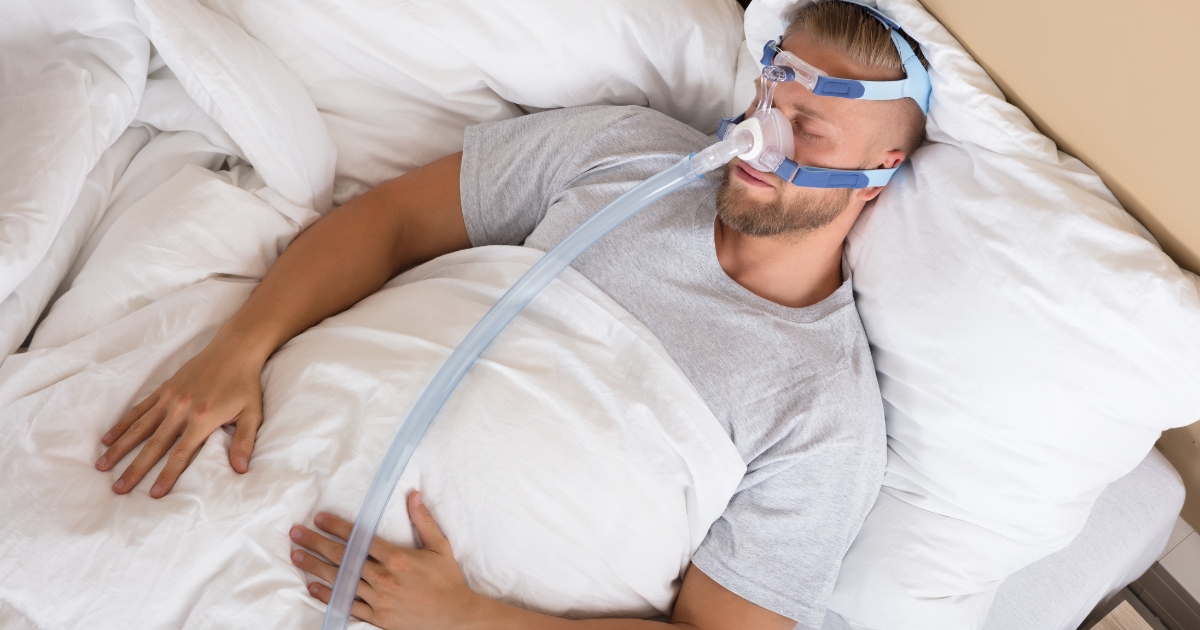
Sleep apnea occurs when the airway collapses or becomes obstructed during sleep, causing breathing to stop for 10 seconds or longer. The brain detects the drop in oxygen and briefly rouses you to restart breathing—often dozens or even hundreds of times per night. The result is chronic sleep deprivation despite spending adequate hours in bed.
Narcolepsy operates through an entirely different pathway. The brain loses the ability to maintain stable wakefulness, and REM sleep intrudes into daytime hours without warning. People with this condition may fall asleep mid-conversation, while eating, or during other activities—not because they are sleep-deprived, but because the neurological switch controlling wakefulness has malfunctioned.
The functional impact of each disorder differs in critical ways. Sleep apnea typically produces a steady, heavy fatigue that worsens as the day progresses. You may doze off during passive activities like watching television, but you can usually resist sleep when engaged in conversation or active tasks. Narcolepsy, however, generates irresistible sleep episodes that occur regardless of how much rest you had the night before.
| Feature | Sleep Apnea | Narcolepsy |
|---|---|---|
| Primary Mechanism | Airway obstruction causing breathing pauses | Brain dysregulation of sleep-wake cycles |
| Nighttime Sleep Quality | Fragmented with frequent micro-awakenings | Often disrupted with vivid dreams and night awakenings |
| Daytime Sleepiness Pattern | Gradual fatigue worsening through the day | Sudden, uncontrollable sleep attacks at any time |
| Response to Naps | Brief naps provide minimal relief | Short naps temporarily restore alertness |
Recognizing Obstructive Sleep Apnea Symptoms and Their Psychiatric Effects
Obstructive sleep apnea symptoms extend far beyond snoring. The condition creates a cascade of physical and psychological consequences that often bring people to mental health providers before they ever see a sleep specialist. Loud, chronic snoring punctuated by gasping or choking sounds is the hallmark sign.
The psychiatric toll of untreated sleep apnea is profound. Chronic sleep fragmentation disrupts the brain’s ability to process emotions, consolidate memories, and regulate mood. Research consistently finds elevated rates of depression and anxiety among people with this condition.
- Loud snoring with witnessed pauses in breathing during sleep
- Gasping or choking sensations that briefly wake you at night
- Persistent morning headaches and dry mouth upon waking
- Difficulty staying asleep or frequent nighttime awakenings
- Severe daytime fatigue despite spending adequate hours in bed
- Irritability, mood swings, and difficulty managing emotions
Many patients seek treatment for depression or anxiety without realizing that a breathing disorder is the underlying driver. Cognitive symptoms—trouble focusing, memory lapses, slowed processing speed—can mimic attention disorders or early dementia. When excessive daytime sleepiness causes impairment at work or increases accident risk, the resulting stress and shame compound the mental health burden. Addressing the sleep disorder often produces dramatic improvements in mood, energy, and cognitive function.
Warning Signs That Point to Narcolepsy Instead
Narcolepsy presents a distinct symptom profile that sets it apart from other sleep disorders. The hallmark feature is sudden, irresistible sleep attacks that occur during the day, and understanding what causes sudden sleep attacks in narcolepsy reveals a neurological malfunction rather than simple sleep deprivation. These episodes differ from the gradual drowsiness of sleep apnea—they arrive without warning and feel impossible to resist, even after a full night’s rest.
Cataplexy and sleep problems often occur together in narcolepsy type 1. Cataplexy is a sudden loss of muscle tone triggered by strong emotions—laughter, surprise, anger, or excitement. The knees may buckle, the face may go slack, or in severe cases, the person may collapse entirely while remaining fully conscious. Sleep paralysis and hypnagogic hallucinations—vivid, dreamlike experiences that occur while falling asleep or waking—are additional features that can be deeply unsettling.
The process for an accurate diagnosis is often long and frustrating. Many people with narcolepsy are initially misdiagnosed with depression, anxiety, or even psychosis due to the hallucinatory experiences and the social withdrawal that result from unpredictable sleep attacks. The path from symptom onset to correct diagnosis often spans many years, during which individuals may lose jobs, relationships, and self-esteem. The mental health consequences include profound isolation, chronic stress, and secondary depression requiring therapeutic support.
Getting the Right Diagnosis When You Feel Tired After Sleeping
How to diagnose sleep disorders? The process begins with a detailed sleep history, including bed and wake times, snoring reports from bed partners, and descriptions of daytime sleepiness patterns. A sleep specialist will assess risk factors such as obesity, neck circumference, nasal obstruction, and family history.
Polysomnography, an overnight sleep study, is the gold standard for diagnosing sleep apnea. Sensors monitor brain waves, breathing, oxygen levels, and muscle activity to quantify breathing interruptions. For narcolepsy, a multiple sleep latency test measures how quickly you fall asleep during scheduled naps and whether you enter REM sleep abnormally fast.
Integrating Mental Health Assessment Into Sleep Diagnosis
Psychiatric evaluation is a critical component of the diagnostic process. Depression and anxiety can both cause and result from sleep disorders, and untangling the causal direction requires careful clinical evaluation. Sleep disorder treatment options range from continuous positive airway pressure (CPAP) devices and oral appliances for sleep apnea to stimulant medications and sodium oxybate for narcolepsy. Integrated care that addresses both sleep and mental health simultaneously produces the best long-term outcomes.
| Diagnostic Tool | Purpose | What It Measures |
|---|---|---|
| Polysomnography (Sleep Study) | Diagnose sleep apnea and other nighttime disturbances | Breathing patterns, oxygen levels, sleep stages, and movement |
| Multiple Sleep Latency Test | Diagnose narcolepsy and assess daytime sleepiness | Speed of sleep onset and REM latency during daytime naps |
| Psychiatric Evaluation | Identify co-occurring mental health conditions | Mood, anxiety, cognitive function, substance use history |
| Epworth Sleepiness Scale | Quantify the severity of daytime sleepiness | Self-reported likelihood of dozing in common situations |

Rest Assured: Integrated Care for Sleep and Mental Health at California Mental Health
If you are struggling with unexplained fatigue, mood disturbances, or cognitive difficulties despite adequate time in bed, you deserve answers that address the full picture of your health. The sleep apnea vs narcolepsy question is not just a diagnostic distinction—it determines your entire treatment pathway and recovery trajectory. At California Mental Health, our team understands that sleep disorders and psychiatric conditions are deeply intertwined, and we provide the coordinated, evidence-based care necessary to treat both. Whether you need diagnostic clarity, treatment for co-occurring conditions, or support navigating the emotional toll of chronic sleep disruption, we are here to help. Contact us today to begin your journey toward restorative sleep and renewed mental well-being.
FAQs
These frequently asked questions address the most common concerns about sleep apnea vs narcolepsy, from diagnostic differences to treatment approaches and mental health impacts.
1. What is the main difference between sleep disorders like sleep apnea and narcolepsy?
The sleep apnea vs narcolepsy distinction comes down to mechanism: sleep apnea is a breathing disorder where your airway repeatedly closes during sleep, while narcolepsy is a neurological condition where your brain cannot properly regulate sleep-wake cycles. Sleep apnea causes poor sleep quality, leading to daytime tiredness, whereas narcolepsy causes sudden, uncontrollable sleep attacks even after adequate nighttime rest.
2. Can you have both sleep apnea and narcolepsy at the same time?
Yes, it is possible to have both conditions simultaneously, though it is relatively uncommon. Treatment becomes more complex and requires careful coordination between sleep specialists and mental health professionals to address overlapping symptoms and medication interactions.
3. Why do I still feel tired after sleeping if I have sleep apnea?
The question “why do I feel tired after sleeping” has a clear answer when sleep apnea is the culprit: breathing interruptions fragment your sleep architecture throughout the night. Sleep apnea causes repeated breathing interruptions that prevent you from reaching deep, restorative sleep stages. Even if you spend 8 hours in bed, the constant micro-awakenings mean your brain and body never fully rest, leaving you exhausted despite adequate time sleeping.
4. How does excessive daytime sleepiness differ between these conditions?
In sleep apnea, excessive daytime sleepiness results from poor sleep quality due to breathing interruptions, while in narcolepsy, it stems from the brain’s inability to maintain wakefulness regardless of sleep quality. Sleep apnea sleepiness typically improves with treatment like CPAP, whereas narcolepsy requires medications that promote wakefulness and regulate REM sleep.
5. What mental health symptoms should I watch for with untreated sleep disorders?
Both conditions significantly increase the risk for depression, anxiety, irritability, memory problems, and difficulty concentrating. Untreated sleep apnea is linked to higher rates of mood disorders and cognitive decline, while narcolepsy patients often experience social isolation, low self-esteem, and misdiagnosis as psychiatric conditions before receiving proper treatment. Professional support is essential when these symptoms interfere with daily functioning.