





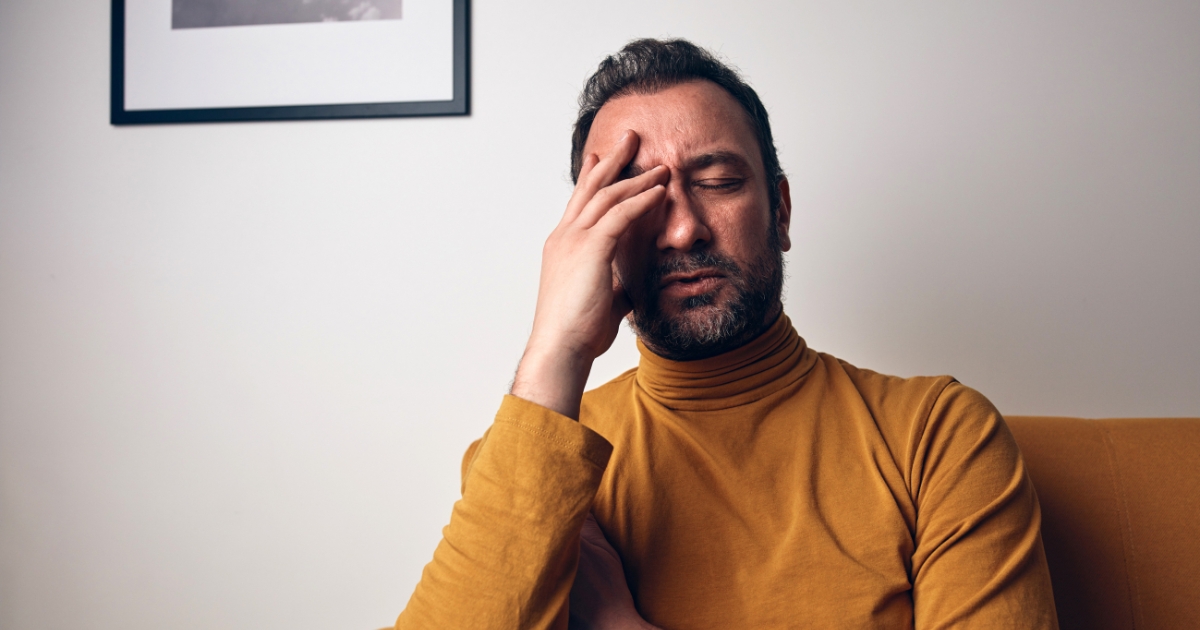
You wake up with a knot in your stomach before your alarm even sounds. Your mind races through the day ahead—meetings, deadlines, conversations you haven’t had yet but are already rehearsing. By mid-morning, your shoulders are tight, your jaw is clenched, and you’ve checked your email repeatedly in the span of 20 minutes. This is what living with anxiety looks like for millions of adults: not a single dramatic moment, but a constant hum of worry that colors every hour. Anxiety is one of the most common mental health conditions in the United States, and while it can feel isolating, effective strategies exist to help you reclaim your day.
This blog walks through practical, evidence-based approaches to managing anxiety in real time—at home, at work, and in the moments when your nervous system feels like it’s running the show. You’ll learn to recognize anxiety symptoms in adults, discover coping strategies that fit into a busy schedule, and understand when self-care alone isn’t enough. Whether you’re looking for natural relief methods or exploring long-term anxiety treatment options, the goal is the same: to help you move from surviving to thriving.
Recognizing Anxiety Symptoms in Your Daily Routine
Anxiety doesn’t always announce itself with a panic attack. More often, it shows up as a collection of physical and emotional signals that you might dismiss as stress or fatigue. Living with anxiety means noticing physical symptoms like a racing or pounding heart, muscle tension that settles in your neck and shoulders, chronic fatigue even after a full night’s sleep, and disrupted rest—either trouble falling asleep or waking frequently.
Cognitive and emotional signs include excessive worry that feels difficult to control, irritability without clear cause, difficulty concentrating, and a pervasive sense of dread. These experiences warrant attention when they persist for weeks or interfere with work and relationships. Occasional stress is normal; chronic anxiety is a pattern requiring support.
Practical Anxiety Management Techniques for Everyday Life
Managing anxiety daily starts with tools you can use in the moment. Grounding exercises—like the 5-4-3-2-1 technique, where you identify sensory details in your environment—anchor you in the present when your mind spirals into what-ifs. Box breathing, a four-count breathing pattern, activates your parasympathetic nervous system and signals your body to calm down. Understanding how to manage anxiety daily means having techniques ready for both acute moments and ongoing prevention.
Cognitive reframing is another powerful strategy. When you’re living with anxiety, thoughts like “I’m going to fail this presentation” arise frequently. Pause and ask yourself for evidence. What facts support this fear? What facts contradict it? Often, anxiety distorts reality, and challenging these thoughts with curiosity rather than judgment helps you see the situation more clearly.
| Lifestyle Factor | Impact on Anxiety | Practical Adjustment |
|---|---|---|
| Sleep Hygiene | Poor sleep amplifies emotional reactivity and worry | Set a consistent bedtime, limit screens one hour before sleep, keep your bedroom cool and dark |
| Physical Activity | Exercise reduces cortisol and releases endorphins that improve mood | Aim for 20-30 minutes of moderate activity most days—walking, yoga, or cycling all count |
| Caffeine Intake | Stimulants can mimic or worsen physical anxiety symptoms | Limit coffee to one cup in the morning, switch to herbal tea or decaf after noon |
| Nutrition | Blood sugar crashes trigger irritability and nervousness | Eat balanced meals with protein and fiber, avoid skipping breakfast |
Mindfulness and meditation practices build long-term resilience. For those living with anxiety, even five minutes a day of focused breathing or body-scan meditation trains your brain to notice anxious thoughts without being hijacked by them. These are among the most effective ways to calm anxiety naturally, requiring no medication or equipment—just consistent practice. The goal isn’t to eliminate worry—it’s to change your relationship with it, so you can observe a thought without letting it dictate your actions.
Daily Coping Strategies You Can Start Today
- Establish a consistent wake-up time and morning sequence to anchor your day, reducing decision fatigue that can amplify worry.
- Schedule “worry time”—a dedicated 15-minute window each day where you allow yourself to think through concerns, then consciously set them aside when the timer ends.
- Keep a thought journal to track patterns in your worry, noting what triggers anxiety and what helps you feel grounded.
- Practice saying no to commitments that overextend your capacity, protecting time for rest and activities that restore you.
- Connect with a trusted friend or family member regularly—social support is one of the most effective buffers against chronic stress.
Coping with Anxiety at Work
The workplace is a common trigger when you’re living with anxiety. Deadlines, performance reviews, interpersonal dynamics, and the pressure to appear competent can all activate your nervous system. When coping with anxiety at work, start by identifying your specific triggers. Is it public speaking? Unclear expectations? Conflict with a colleague? Once you know what sets off your symptoms, you can develop targeted strategies.
Time management techniques—like breaking large projects into smaller tasks, using a planner to visualize your week, and building in buffer time for unexpected delays—reduce the sense of being overwhelmed. Setting boundaries is equally important. This might mean turning off email notifications after hours or communicating clearly about realistic timelines. Many people hesitate to advocate for themselves at work, but clarity about your needs often prevents burnout and improves performance.
If anxiety significantly interferes with your ability to do your job, consider discussing workplace accommodations with human resources. Under the Americans with Disabilities Act, employers are required to provide reasonable accommodations for mental health conditions, which might include flexible scheduling, a quieter workspace, or modified deadlines during high-stress periods.
When to Seek Help for Anxiety
Self-care strategies are valuable, but they have limits. Living with anxiety becomes unmanageable when your symptoms persist despite consistent effort, interfere with daily functioning, or lead you to avoid important activities. Warning signs include panic attacks, physical symptoms that mimic medical emergencies, withdrawal from relationships, and difficulty completing basic tasks. Thoughts of self-harm or feeling that life isn’t worth living are urgent indicators that you need immediate help—call or text 988 to reach the Suicide and Crisis Lifeline, available 24/7.
Professional treatment typically involves therapy, medication, or both. Cognitive behavioral therapy teaches you to identify and challenge distorted thinking patterns. Medication options—such as SSRIs or benzodiazepines for short-term relief—can help when symptoms are severe. A psychiatrist or primary care provider can assess what’s appropriate for you.
What Helps with Chronic Anxiety
Living with anxiety long-term responds best to a multi-layered approach. Therapy provides the foundation, equipping you with tools to manage symptoms and address underlying patterns. Lifestyle changes—regular exercise, adequate sleep, reduced caffeine, and social connection—support your nervous system’s ability to regulate itself. Long-term anxiety treatment options often include maintenance therapy sessions, even after acute symptoms improve, to reinforce skills and prevent relapse.
| Treatment Approach | Best For |
|---|---|
| Cognitive Behavioral Therapy | Identifying and changing thought patterns that fuel worry and avoidance |
| Exposure Therapy | Gradually confronting feared situations to reduce phobic responses |
| Medication Management | Severe symptoms, co-occurring depression, or when therapy alone hasn’t provided relief |
| Mindfulness-Based Stress Reduction | Building awareness of present-moment experience and reducing rumination |
| Group Therapy | Learning from others’ experiences and reducing isolation through shared understanding |
The most effective treatment plan is one tailored to your specific symptoms, history, and goals.

Finding Calm in the Chaos at California Mental Health
You don’t have to navigate this alone. Professional support makes a measurable difference when symptoms persist or intensify. California Mental Health offers comprehensive treatment programs designed specifically for adults managing anxiety disorders. Our team uses evidence-based therapies—including cognitive behavioral therapy, mindfulness training, and medication management—to help you build lasting skills and regain control over your daily life. If you’re ready to move from coping to thriving, reach out today. Call us or visit our website to learn more about how we can support your journey toward lasting relief.
FAQs
Here are answers to common questions about managing anxiety in daily life.
1. When does anxiety require professional treatment?
If your symptoms interfere with daily functioning, relationships, or work for more than two weeks, professional help is recommended. Persistent physical symptoms, avoidance behaviors, or thoughts of self-harm are clear indicators you should seek immediate support.
2. Can anxiety be managed without medication?
Many people successfully manage their symptoms through therapy, lifestyle changes, and coping techniques alone. However, medication can be an effective tool when combined with therapy, and a mental health professional can help determine what’s right for you.
3. What’s the difference between everyday stress and an anxiety disorder?
Everyday stress is temporary and tied to specific situations, while anxiety disorders involve persistent, excessive worry that continues even without clear triggers. Disorders cause significant distress, last for months, and interfere with normal activities in ways that typical stress does not.
4. How long does it take for anxiety management techniques to work?
Some techniques like deep breathing provide immediate relief, while others like cognitive behavioral therapy or lifestyle changes may take 4-8 weeks to show significant results. Regular practice of coping strategies builds long-term resilience against symptoms.
5. Will my anxiety ever go away completely?
While some people experience full remission, many learn to manage their condition so effectively that it no longer controls their life. With proper treatment and coping strategies, you can significantly reduce symptoms and live a fulfilling life even if occasional worry resurfaces during stressful periods.